Sweet Capsicum
What is Sweet Capsicum?
Sweet capsicum, also known as bell pepper, is the large, mild fruit of the Capsicum annuum plant. It is native to the Americas and is cultivated worldwide. Bell peppers are typically harvested when mature and can be red, yellow, orange, or green depending on the variety and ripeness.
Is Sweet Capsicum vegan?
Sweet Capsicum is not animal-derived. Products that contain it can still include other animal-derived ingredients, so check the full ingredient list.
Is Sweet Capsicum gluten-free?
Sweet capsicum is not one of the nine major allergens recognized by the FDA and does not contain gluten.
What is Sweet Capsicum used for?
Manufacturers use sweet capsicum as a flavoring ingredient, adding a mild, slightly sweet taste and vibrant color to foods.
Is Sweet Capsicum safe?
Sweet capsicum is a source of vitamins and antioxidants.
Why it's used
Manufacturers use sweet capsicum as a flavoring ingredient, adding a mild, slightly sweet taste and vibrant color to foods. It is commonly found in savory dishes like rice mixes, pasta sauces, and seasoned dinner kits, where it contributes to both flavor and visual appeal.
Health notes
Sweet capsicum is a source of vitamins and antioxidants. It is generally recognized as safe (GRAS) by the FDA for use in food. Regulatory bodies like JECFA and EFSA have evaluated various food ingredients, but specific evaluations for sweet capsicum as a distinct ingredient are not widely publicized beyond its status as a common food item. No significant health concerns are associated with its typical consumption.
Allergen info
Sweet capsicum is not one of the nine major allergens recognized by the FDA and does not contain gluten.
Foods that contain Sweet Capsicum
Compare products →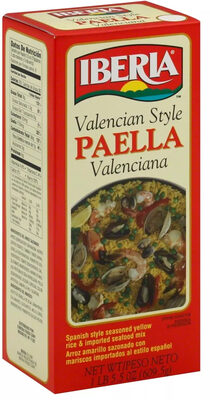 Iberia Foods Corporation
Paella Valenciana
High in sodium — 27% DV per serving
279kcal
7.1Protein
1.4Fat
50Carbs
Iberia Foods Corporation
Paella Valenciana
High in sodium — 27% DV per serving
279kcal
7.1Protein
1.4Fat
50Carbs
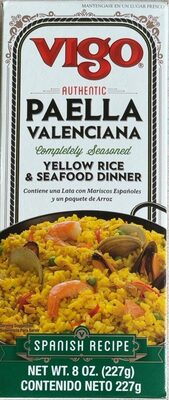 Vigo Importing Company
Authentic Paella Valenciana Completely Seasoned Yellow Rice & Seafood Dinner
High in sodium — 37% DV per serving
322kcal
7.8Protein
4.4Fat
60Carbs
Vigo Importing Company
Authentic Paella Valenciana Completely Seasoned Yellow Rice & Seafood Dinner
High in sodium — 37% DV per serving
322kcal
7.8Protein
4.4Fat
60Carbs
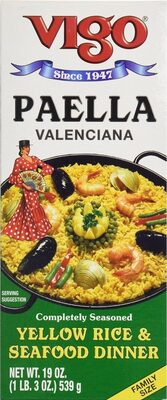 Vigo Importing Company
Authentic Paella Valenciana Completely Seasoned Yellow Rice & Seafood Dinner
High in sodium — 37% DV per serving
322kcal
7.8Protein
4.4Fat
60Carbs
Vigo Importing Company
Authentic Paella Valenciana Completely Seasoned Yellow Rice & Seafood Dinner
High in sodium — 37% DV per serving
322kcal
7.8Protein
4.4Fat
60Carbs
Auto-generated content. This description was generated automatically and is pending editorial review. Inaccuracies are possible. Found a mistake? Contact us.