Sweet Relish: Pickles
What is Sweet Relish: Pickles?
Pickles are cucumbers that have been preserved in a brine of salt and water, or in a vinegar-based solution. This process, known as pickling, changes the texture and flavor of the cucumber, making it tart and crunchy. Various spices and flavorings can be added during the pickling process.
Is Sweet Relish: Pickles vegan?
Sweet Relish: Pickles is not animal-derived. Products that contain it can still include other animal-derived ingredients, so check the full ingredient list.
Is Sweet Relish: Pickles gluten-free?
They do not contain gluten.
Is Sweet Relish: Pickles a major allergen?
Pickles are not derived from any of the 9 major FDA allergens.
What is Sweet Relish: Pickles used for?
Pickles are often used as a condiment or ingredient to add a sour, salty, and crunchy element to foods.
Is Sweet Relish: Pickles safe?
Pickles are generally considered safe for consumption.
Why it's used
Pickles are often used as a condiment or ingredient to add a sour, salty, and crunchy element to foods. They are a key component in relishes, sandwiches, burgers, and salads. Manufacturers add pickles for their distinct flavor and texture.
Health notes
Pickles are generally considered safe for consumption. The high sodium content in some pickles can be a concern for individuals monitoring their sodium intake. The FDA regulates pickles as a processed food. Regulatory bodies like JECFA and EFSA have evaluated similar preserved foods, but specific evaluations for pickles as a distinct ingredient may vary.
Allergen info
Pickles are not derived from any of the 9 major FDA allergens. They do not contain gluten.
Foods that contain Sweet Relish: Pickles
Compare products →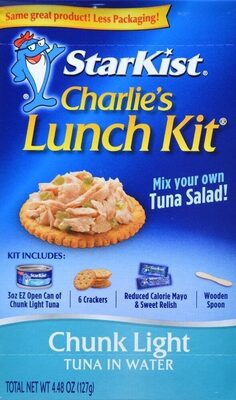 StarKist Co.
Chunk Light Tuna In Water Charlie's Snack Kit, Chunk Light In Water
High in sodium — 27% DV per serving
157kcal
15.0Protein
4.7Fat
12.6Carbs
StarKist Co.
Albacore Tuna In Water Lunch To-Go, Albacore In Water
High in sodium — 26% DV per serving
High in saturated fat — 20% DV per serving
207kcal
15.5Protein
7.8Fat
17.2Carbs
StarKist Co.
Chunk White Albacore Tuna In Water Charlie's Lunch Kit, Chunk White Albacore In Water
High in sodium — 21% DV per serving
165kcal
14.9Protein
5.0Fat
13.2Carbs
StarKist Co.
Chunk Light Tuna In Water Charlie's Snack Kit, Chunk Light In Water
High in sodium — 27% DV per serving
157kcal
15.0Protein
4.7Fat
12.6Carbs
StarKist Co.
Albacore Tuna In Water Lunch To-Go, Albacore In Water
High in sodium — 26% DV per serving
High in saturated fat — 20% DV per serving
207kcal
15.5Protein
7.8Fat
17.2Carbs
StarKist Co.
Chunk White Albacore Tuna In Water Charlie's Lunch Kit, Chunk White Albacore In Water
High in sodium — 21% DV per serving
165kcal
14.9Protein
5.0Fat
13.2Carbs
Auto-generated content. This description was generated automatically and is pending editorial review. Inaccuracies are possible. Found a mistake? Contact us.