Szechuan Peppercorn
What is Szechuan Peppercorn?
Szechuan peppercorn is the dried berry of prickly ash trees native to China. It is not a true pepper but rather a member of the citrus family. The berries are dried and often toasted before use.
Is Szechuan Peppercorn vegan?
Szechuan Peppercorn is not animal-derived. Products that contain it can still include other animal-derived ingredients, so check the full ingredient list.
Is Szechuan Peppercorn gluten-free?
It does not contain gluten.
Is Szechuan Peppercorn a major allergen?
Szechuan peppercorn is not one of the nine FDA major allergens.
What is Szechuan Peppercorn used for?
Szechuan peppercorn is used as a spice to add a unique flavor and aroma to foods.
Is Szechuan Peppercorn safe?
Szechuan peppercorn is Generally Recognized As Safe (GRAS) by the FDA for use as a food ingredient.
Why it's used
Szechuan peppercorn is used as a spice to add a unique flavor and aroma to foods. It is known for its distinctive tingly, numbing sensation on the tongue, often paired with a mild heat. It is commonly found in Chinese cuisine, particularly in Sichuan dishes, and in spice blends.
Health notes
Szechuan peppercorn is Generally Recognized As Safe (GRAS) by the FDA for use as a food ingredient. It is not known to have significant adverse health effects when consumed in typical amounts as part of a diet. International bodies like JECFA have evaluated it. There is ongoing research into its various compounds and their potential effects.
Allergen info
Szechuan peppercorn is not one of the nine FDA major allergens. It does not contain gluten.
Foods that contain Szechuan Peppercorn
Compare products →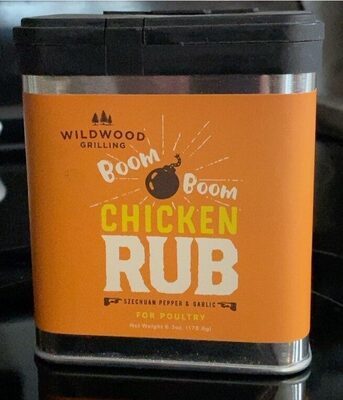
Learn more
Auto-generated content. This description was generated automatically and is pending editorial review. Inaccuracies are possible. Found a mistake? Contact us.