Tamarind Pulp
What is Tamarind Pulp?
Tamarind pulp is a sticky, paste-like substance made from the fruit of the tamarind tree, which is native to tropical Africa. The fruit pods contain a sweet and sour pulp surrounding several seeds. The pulp is often processed into a concentrate or paste for use in cooking and food production.
Is Tamarind Pulp vegan?
Tamarind Pulp is not animal-derived. Products that contain it can still include other animal-derived ingredients, so check the full ingredient list.
Is Tamarind Pulp gluten-free?
It is also naturally gluten-free.
Is Tamarind Pulp a major allergen?
Tamarind is not derived from any of the nine FDA major allergens.
What is Tamarind Pulp used for?
Tamarind pulp is used as a flavoring agent, adding a unique sweet and sour taste to foods and beverages.
Is Tamarind Pulp safe?
Tamarind pulp is generally recognized as safe (GRAS) by the FDA for use in food.
Why it's used
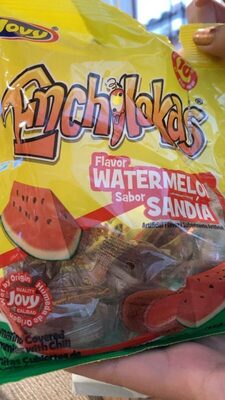
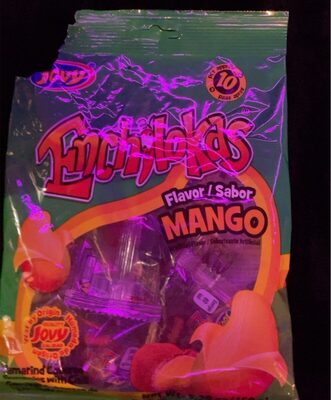
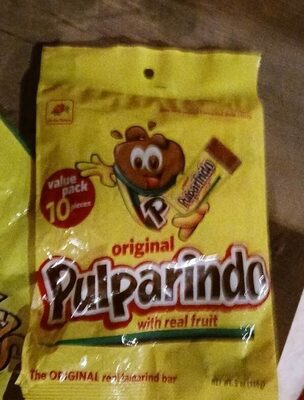
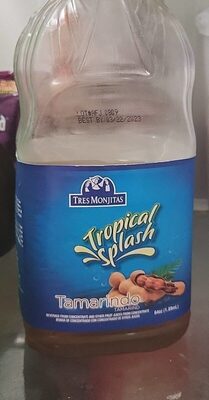
Tamarind pulp is used as a flavoring agent, adding a unique sweet and sour taste to foods and beverages. It can also act as a natural preservative and thickener. It is commonly found in candies, sauces, chutneys, marinades, and fruit drinks.
Health notes
Tamarind pulp is generally recognized as safe (GRAS) by the FDA for use in food. It is a source of vitamin C and antioxidants. International bodies like JECFA have evaluated tamarind and its extracts. Evidence suggests tamarind may have some anti-inflammatory properties, but more research is needed to confirm these effects at typical dietary intakes.
Allergen info
Tamarind is not derived from any of the nine FDA major allergens. It is also naturally gluten-free.
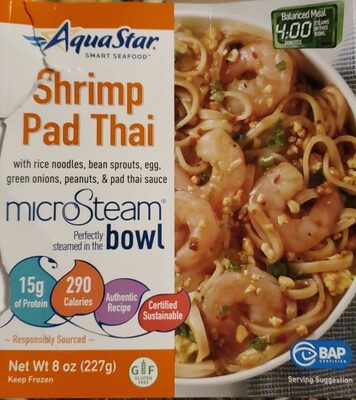
Foods that contain Tamarind Pulp
Compare products →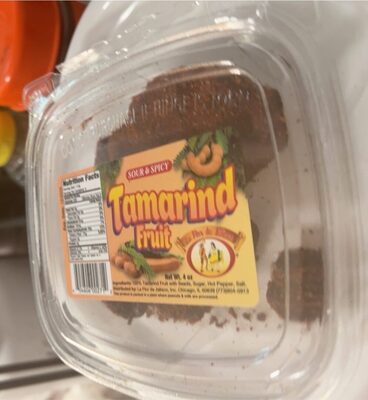

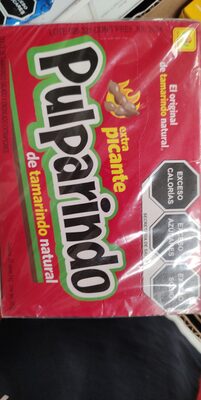
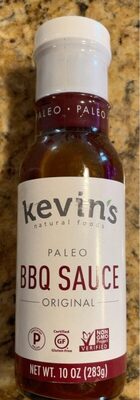
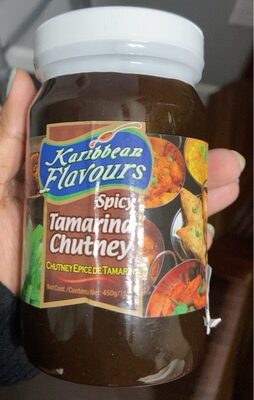
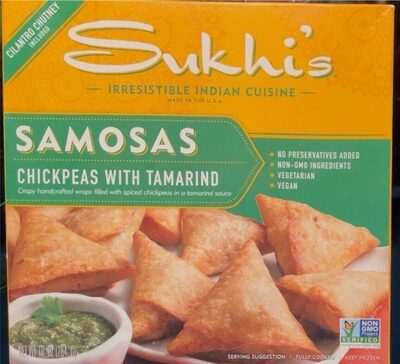

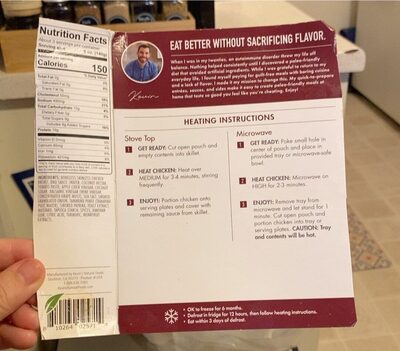

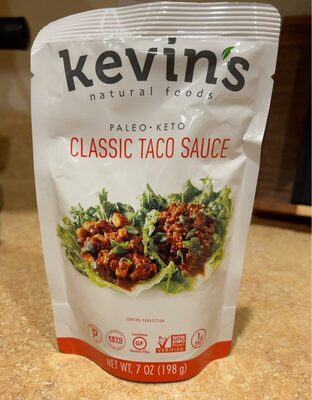
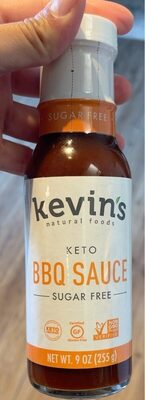




Auto-generated content. This description was generated automatically and is pending editorial review. Inaccuracies are possible. Found a mistake? Contact us.