Tamarind Sauce
What is Tamarind Sauce?
Tamarind sauce is a sweet and sour condiment made from the pulp of the tamarind fruit, which grows on trees in tropical regions. The pulp is typically cooked with sugar, water, and spices like cumin, chili, or ginger to create a thick, flavorful sauce.
Is Tamarind Sauce vegan?
Tamarind Sauce is not animal-derived. Products that contain it can still include other animal-derived ingredients, so check the full ingredient list.
Is Tamarind Sauce gluten-free?
It does not contain gluten.
Is Tamarind Sauce a major allergen?
Tamarind is not one of the nine major allergens.
What is Tamarind Sauce used for?
Tamarind sauce is used to add a distinctive sweet, sour, and tangy flavor to a wide variety of dishes.
Is Tamarind Sauce safe?
Tamarind is a fruit and is generally recognized as safe (GRAS) by the FDA for use as a food ingredient.
Why it's used
Tamarind sauce is used to add a distinctive sweet, sour, and tangy flavor to a wide variety of dishes. It's common in Asian cuisines, particularly Indian, Thai, and Vietnamese cooking, where it's used in curries, marinades, dipping sauces, and dressings.
Health notes
Tamarind is a fruit and is generally recognized as safe (GRAS) by the FDA for use as a food ingredient. It contains natural sugars, fiber, and some vitamins and minerals. While tamarind is a natural food, like all foods, excessive consumption could lead to digestive upset due to its fiber content. No specific regulatory limits or evaluations by bodies like JECFA or EFSA are typically noted for tamarind as a whole fruit ingredient.
Allergen info
Tamarind is not one of the nine major allergens. It does not contain gluten.
Foods that contain Tamarind Sauce
Compare products →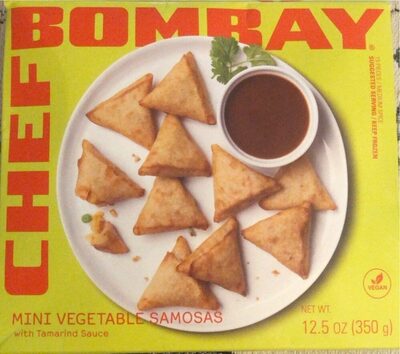
Learn more
Auto-generated content. This description was generated automatically and is pending editorial review. Inaccuracies are possible. Found a mistake? Contact us.