Tangerine: Water
Auto-generated content. This description was generated automatically and is pending editorial review. Inaccuracies are possible. Found a mistake? Contact us.
What it is
Tangerine is a type of citrus fruit, similar to an orange but typically smaller and easier to peel. It is a good source of vitamin C and provides a sweet, tangy flavor. Tangerine is used in its whole fruit form or as juice in various food products.
Why it's used
Tangerine is primarily used to add natural fruit flavor and aroma to foods. It is often found in frozen desserts like ice cream and fruit bars, as well as in beverages and candies. Its bright, fresh taste makes it a popular choice for enhancing fruit-flavored products.
Health notes
Tangerine is recognized as safe (GRAS) by the FDA when used as a food ingredient. As a fruit, it is a natural source of nutrients like vitamin C, which is important for immune function. Regulatory bodies like EFSA have evaluated citrus fruits and their components, generally recognizing them as safe for consumption. There is no evidence to suggest adverse health effects from consuming tangerine at typical dietary levels.
Allergen info
Tangerine is not one of the nine major allergens recognized by the FDA. It does not contain gluten.
Products containing Tangerine: Water
Compare products →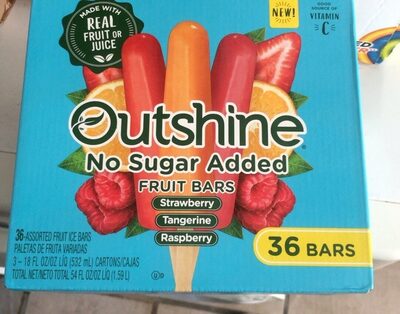 Dreyer's Grand Ice Cream Inc.
Assorted Fruit Ice Bars, Strawberry, Tangerine, Raspberry
19kcal
0Protein
0Fat
4.5Carbs
Dreyer's Grand Ice Cream Inc.
Assorted Fruit Ice Bars, Strawberry, Tangerine, Raspberry
19kcal
0Protein
0Fat
4.5Carbs
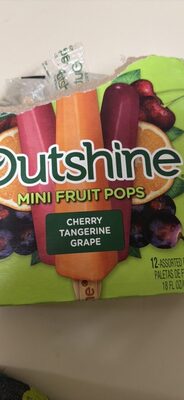 Dreyer's Grand Ice Cream Inc.
Cherry, Tangerine, Grape Fruit Bars, Cherry, Tangerine, Grape
29kcal
0Protein
0Fat
7.2Carbs
Grape & Tangerine Fruit Bars
High in added sugars — 28% DV per serving
83kcal
0Protein
0Fat
21.4Carbs
Dreyer's Grand Ice Cream Inc.
Cherry, Tangerine, Grape Fruit Bars, Cherry, Tangerine, Grape
29kcal
0Protein
0Fat
7.2Carbs
Grape & Tangerine Fruit Bars
High in added sugars — 28% DV per serving
83kcal
0Protein
0Fat
21.4Carbs
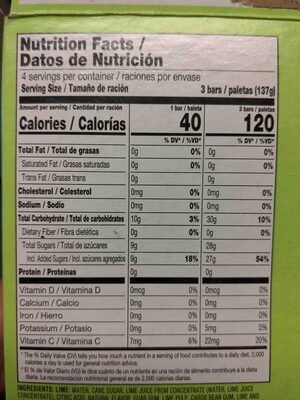 Dreyer's Grand Ice Cream Inc.
Assorted Fruit Ice Bars, Lime, Tangerine, Lemon
26kcal
0Protein
0Fat
6.6Carbs
Dreyer's Grand Ice Cream Inc.
Assorted Fruit Ice Bars, Lime, Tangerine, Lemon
26kcal
0Protein
0Fat
6.6Carbs
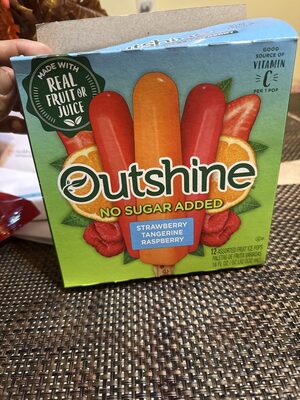 Dreyer's Grand Ice Cream Inc.
Assorted Fruit Ice Bars, Strawberry, Tangerine, Raspberry
19kcal
0Protein
0Fat
4.5Carbs
Dreyer's Grand Ice Cream Inc.
Assorted Fruit Ice Bars, Strawberry, Tangerine, Raspberry
19kcal
0Protein
0Fat
4.5Carbs