Taro Powder
What is Taro Powder?
Taro powder is made from the taro root, a starchy root vegetable native to Southeast Asia. The root is peeled, cooked, dried, and then ground into a fine powder. It has a mild, slightly sweet, nutty flavor and a purple hue.
Is Taro Powder vegan?
Taro Powder is not animal-derived. Products that contain it can still include other animal-derived ingredients, so check the full ingredient list.
Is Taro Powder gluten-free?
It does not contain gluten.
Is Taro Powder a major allergen?
Taro powder is not derived from any of the 9 major allergens recognized by the FDA.
What is Taro Powder used for?
Taro powder is used to add flavor, color, and a slightly thicker texture to foods.
Is Taro Powder safe?
Taro powder is generally recognized as safe (GRAS) by the FDA for use in food.
Why it's used
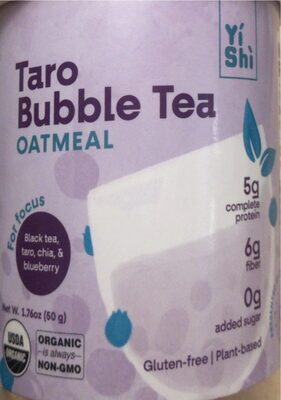
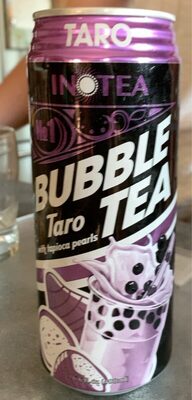
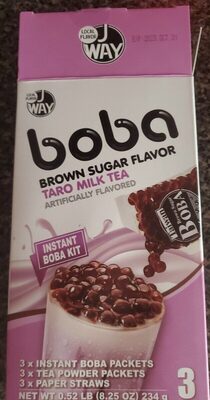
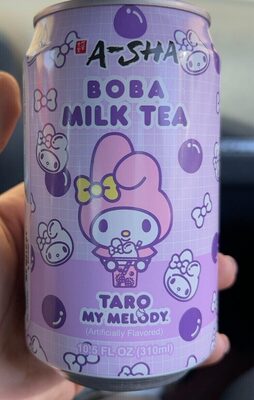
Taro powder is used to add flavor, color, and a slightly thicker texture to foods. It is commonly found in baked goods, desserts, beverages like bubble tea, and snacks.
Health notes
Taro powder is generally recognized as safe (GRAS) by the FDA for use in food. It is a source of carbohydrates and some vitamins and minerals. Regulatory bodies like JECFA and EFSA have evaluated taro, but specific health claims or concerns at typical consumption levels are not widely established.
Allergen info
Taro powder is not derived from any of the 9 major allergens recognized by the FDA. It does not contain gluten.
Foods that contain Taro Powder
Compare products →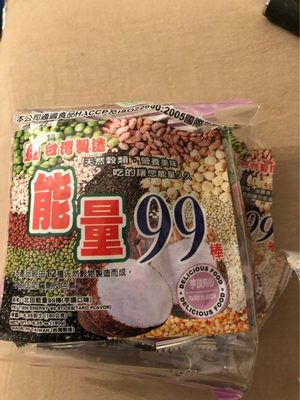

Auto-generated content. This description was generated automatically and is pending editorial review. Inaccuracies are possible. Found a mistake? Contact us.