Teriyaki
What is Teriyaki?
Teriyaki is a Japanese cooking technique and a type of sauce. The name refers to the glossy, charred appearance of the food after grilling or broiling. The sauce is typically made with soy sauce, mirin (sweet rice wine), sake, and sugar or honey.
Is Teriyaki gluten-free?
Wheat is also commonly present in soy sauce, making it a potential source of gluten.
Is Teriyaki a major allergen?
Teriyaki sauce often contains soy sauce, which is derived from soybeans, a major allergen.
What is Teriyaki used for?
Teriyaki sauce is used as a glaze, marinade, and dipping sauce.
Is Teriyaki safe?
Teriyaki sauce is primarily a flavoring agent and not subject to specific FDA regulations as a functional additive.
Why it's used
Teriyaki sauce is used as a glaze, marinade, and dipping sauce. Manufacturers add it to foods to provide a sweet and savory flavor profile. It is commonly found in Japanese cuisine, marinades, glazes, stir-fries, and as a flavoring for snacks like chips and crackers.
Health notes
Teriyaki sauce is primarily a flavoring agent and not subject to specific FDA regulations as a functional additive. The main health considerations relate to its sodium and sugar content. High intake of sodium is linked to increased blood pressure, and high sugar intake is associated with weight gain and other health issues. JECFA has evaluated soy sauce, a key component of teriyaki, and established an acceptable daily intake. EFSA has also evaluated soy sauce and its components.
Allergen info
Teriyaki sauce often contains soy sauce, which is derived from soybeans, a major allergen. Wheat is also commonly present in soy sauce, making it a potential source of gluten. Consumers with soy or wheat allergies should check product labels.
Foods that contain Teriyaki
Compare products →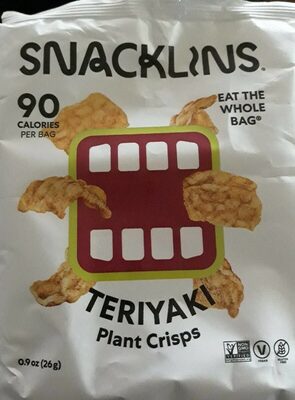
Learn more
Auto-generated content. This description was generated automatically and is pending editorial review. Inaccuracies are possible. Found a mistake? Contact us.