The Following Added Disodium EDTA
What is The Following Added Disodium EDTA?
Disodium EDTA is a synthetic compound used to bind metal ions. It is manufactured through a chemical process involving ethylenediamine and sodium cyanide or sodium chloroacetate.
Is The Following Added Disodium EDTA vegan?
The Following Added Disodium EDTA is not animal-derived. Products that contain it can still include other animal-derived ingredients, so check the full ingredient list.
Is The Following Added Disodium EDTA a major allergen?
Not a major allergen.
What is The Following Added Disodium EDTA used for?
Disodium EDTA is added to foods to prevent spoilage by chelating (binding) metal ions that can cause oxidation and color changes.
Is The Following Added Disodium EDTA safe?
Disodium EDTA is generally recognized as safe (GRAS) by the FDA for use as a food additive.
Why it's used
Disodium EDTA is added to foods to prevent spoilage by chelating (binding) metal ions that can cause oxidation and color changes. It is often found in canned goods, dressings, and sauces to maintain product quality and appearance.
Health notes
Disodium EDTA is generally recognized as safe (GRAS) by the FDA for use as a food additive. International bodies like JECFA have evaluated it. At typical consumption levels, it is not expected to cause adverse health effects. Some studies have explored its potential health effects, but more research is needed to fully understand them.
Allergen info
Not a major allergen. It is a synthetic chemical compound and is not derived from any of the FDA's major allergens.
Foods that contain The Following Added Disodium EDTA
Compare products →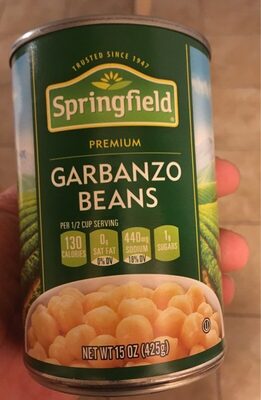 Unified Grocers, Inc.
Chick Peas Garbanzo Beans, Chick Peas
92kcal
5.4Protein
1.5Fat
15.4Carbs
Unified Grocers, Inc.
Chick Peas Garbanzo Beans, Chick Peas
92kcal
5.4Protein
1.5Fat
15.4Carbs
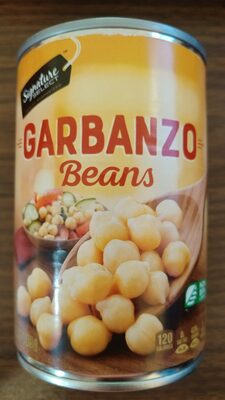 Safeway, Inc.
Garbanzo Beans, Garbanzo
92kcal
5.4Protein
1.5Fat
15.4Carbs
International Modern Investmnt
Chick Peas
High in sodium — 20% DV per serving
92kcal
4.6Protein
1.5Fat
15.4Carbs
Harmons Inc
Garbanzo Beans
92kcal
4.6Protein
1.5Fat
15.4Carbs
Supervalu, Inc.
Garbanzo Beans
92kcal
5.4Protein
1.5Fat
15.4Carbs
Purcell Inc.
Chick Peas, Garbanzos
92kcal
5.4Protein
1.5Fat
15.4Carbs
Safeway, Inc.
Garbanzo Beans, Garbanzo
92kcal
5.4Protein
1.5Fat
15.4Carbs
International Modern Investmnt
Chick Peas
High in sodium — 20% DV per serving
92kcal
4.6Protein
1.5Fat
15.4Carbs
Harmons Inc
Garbanzo Beans
92kcal
4.6Protein
1.5Fat
15.4Carbs
Supervalu, Inc.
Garbanzo Beans
92kcal
5.4Protein
1.5Fat
15.4Carbs
Purcell Inc.
Chick Peas, Garbanzos
92kcal
5.4Protein
1.5Fat
15.4Carbs
Auto-generated content. This description was generated automatically and is pending editorial review. Inaccuracies are possible. Found a mistake? Contact us.