The Following: Chili Pepper
Auto-generated content. This description was generated automatically and is pending editorial review. Inaccuracies are possible. Found a mistake? Contact us.
What it is
Chili pepper is the fruit of plants from the genus Capsicum, native to the Americas. It is used fresh, dried, or ground into a powder. The heat comes from compounds called capsaicinoids, with capsaicin being the most abundant.
Why it's used
Chili pepper is primarily used to add heat and flavor to foods. It is a key ingredient in many cuisines worldwide, appearing in sauces, spice blends, marinades, and prepared meals. Manufacturers use it to enhance the taste profile of products like frozen appetizers, ethnic sauces, and seasoned meats.
Health notes
Chili pepper is generally recognized as safe (GRAS) by the FDA when used as a food ingredient. Capsaicin, the active compound, is responsible for the 'heat' and has been studied for various potential health effects, though evidence is mixed and often requires high doses not typically consumed. International bodies like JECFA and EFSA have evaluated capsaicinoids. Some research suggests potential benefits for pain relief and metabolism, while other studies focus on digestive irritation at high intakes. It is not considered a significant source of nutrients in typical food applications.
Allergen info
Chili pepper is not one of the nine major allergens identified by the FDA. It does not contain gluten.
Products containing The Following: Chili Pepper
Compare products →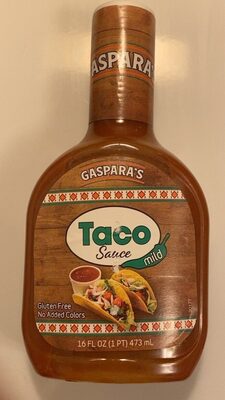 Private Label Foods
Mild Taco Sauce, Mild
33kcal
0Protein
0Fat
13.3Carbs
Tyson Foods, Inc.
Southwestern Style Chicken Breast Strips, Southwestern Style
High in sodium — 22% DV per serving
High in cholesterol — 20% DV per serving
143kcal
22.6Protein
3.6Fat
6.0Carbs
Private Label Foods
Mild Taco Sauce, Mild
33kcal
0Protein
0Fat
13.3Carbs
Tyson Foods, Inc.
Southwestern Style Chicken Breast Strips, Southwestern Style
High in sodium — 22% DV per serving
High in cholesterol — 20% DV per serving
143kcal
22.6Protein
3.6Fat
6.0Carbs
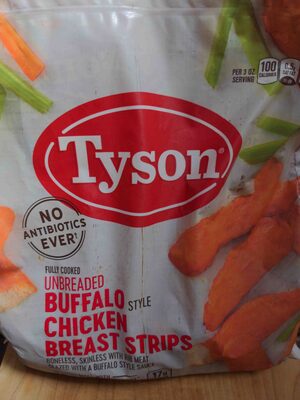 Tyson Foods, Inc.
Buffalo Style Unbreaded Chicken Breast Strips, Buffalo Style
High in sodium — 20% DV per serving
119kcal
20.2Protein
3.6Fat
1.2Carbs
Tyson Foods, Inc.
Buffalo Style Unbreaded Chicken Breast Strips, Buffalo Style
High in sodium — 20% DV per serving
119kcal
20.2Protein
3.6Fat
1.2Carbs
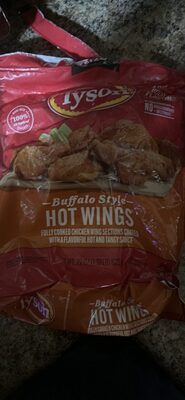 Tyson Foods, Inc.
Buffalo Style Hot Wings, Buffalo Style
High in sodium — 33% DV per serving
High in cholesterol — 32% DV per serving
226kcal
16.7Protein
15.5Fat
3.6Carbs
Tyson Foods, Inc.
Buffalo Style Chicken Hot Wing Sections Coated With A Flavorful Hot, Tangy Sauce, Buffalo Style, Tangy
High in sodium — 33% DV per serving
High in cholesterol — 32% DV per serving
226kcal
16.7Protein
15.5Fat
3.6Carbs
Tyson Foods, Inc.
Buffalo Style Hot Wings, Buffalo Style
High in sodium — 33% DV per serving
High in cholesterol — 32% DV per serving
226kcal
16.7Protein
15.5Fat
3.6Carbs
Tyson Foods, Inc.
Buffalo Style Chicken Hot Wing Sections Coated With A Flavorful Hot, Tangy Sauce, Buffalo Style, Tangy
High in sodium — 33% DV per serving
High in cholesterol — 32% DV per serving
226kcal
16.7Protein
15.5Fat
3.6Carbs
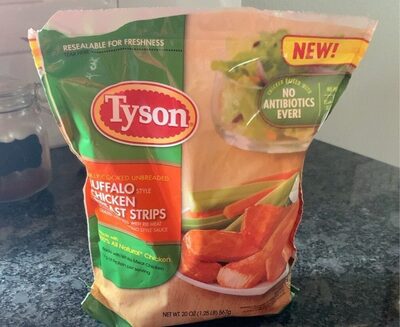 Tyson Foods, Inc.
Buffalo Style Chicken Breast Strips Boneless, Skinless With Rib Meat Glazed With A Buffalo Style Sauce, Buffalo Style Chicken
High in sodium — 20% DV per serving
119kcal
20.2Protein
3.6Fat
1.2Carbs
Tyson Foods, Inc.
Buffalo Style Chicken Breast Strips Boneless, Skinless With Rib Meat Glazed With A Buffalo Style Sauce, Buffalo Style Chicken
High in sodium — 20% DV per serving
119kcal
20.2Protein
3.6Fat
1.2Carbs