Titanium Dioxide And Annatto
What is Titanium Dioxide And Annatto?
Titanium dioxide is a naturally occurring mineral that is processed into a fine white powder. Annatto is a natural color extracted from the seeds of the achiote tree, which grows in tropical regions.
Is Titanium Dioxide And Annatto vegan?
Titanium Dioxide And Annatto is not animal-derived. Products that contain it can still include other animal-derived ingredients, so check the full ingredient list.
Is Titanium Dioxide And Annatto a major allergen?
Neither titanium dioxide nor annatto are considered major allergens.
What is Titanium Dioxide And Annatto used for?
Both ingredients are used as food colorings.
Is Titanium Dioxide And Annatto safe?
Titanium dioxide is permitted by the FDA as a food additive.
Why it's used
Both ingredients are used as food colorings. Titanium dioxide provides a bright white color and opacity, often found in candies, dairy products, and baked goods. Annatto gives foods a yellow to orange hue and is commonly used in cheeses, butter, and snack foods.
Health notes
Titanium dioxide is permitted by the FDA as a food additive. JECFA has evaluated titanium dioxide and set an acceptable daily intake. However, EFSA concluded in 2021 that it could no longer be considered safe as a food additive, leading to its ban in the EU in 2022. It is not part of the FDA's planned phase-out of petroleum-based synthetic dyes. Annatto is an FDA-approved color additive that is exempt from certification. JECFA and EFSA have both evaluated annatto and set acceptable daily intakes. Some individuals may experience allergic reactions to annatto.
Allergen info
Neither titanium dioxide nor annatto are considered major allergens.
Foods that contain Titanium Dioxide And Annatto
Compare products →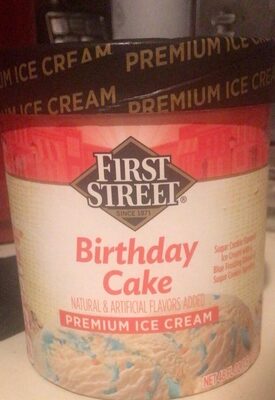
Learn more
Auto-generated content. This description was generated automatically and is pending editorial review. Inaccuracies are possible. Found a mistake? Contact us.