Turmacin
What is Turmacin?
Turmacin is a branded extract derived from turmeric root. It is standardized to contain a specific amount of curcuminoids, the active compounds found in turmeric. The extraction process isolates these compounds from the rest of the plant material.
Is Turmacin vegan?
Turmacin is not animal-derived. Products that contain it can still include other animal-derived ingredients, so check the full ingredient list.
Is Turmacin gluten-free?
It does not contain gluten.
Is Turmacin a major allergen?
Turmacin is derived from turmeric, which is a spice and not one of the nine major allergens.
What is Turmacin used for?
Manufacturers add Turmacin primarily for its vibrant yellow-orange color, similar to turmeric itself.
Is Turmacin safe?
Turmacin is generally recognized as safe (GRAS) by the FDA for use as a flavoring and coloring agent.
Why it's used
Manufacturers add Turmacin primarily for its vibrant yellow-orange color, similar to turmeric itself. It can also contribute a mild flavor profile. It is often found in beverages, baked goods, and dairy products where a natural-looking color is desired.
Health notes
Turmacin is generally recognized as safe (GRAS) by the FDA for use as a flavoring and coloring agent. Curcuminoids, the active compounds in turmeric, have been studied for various health effects, but research is ongoing and not conclusive. JECFA and EFSA have evaluated curcuminoids, but no specific ADI or upper limit is stated here. Some studies suggest potential anti-inflammatory properties, but more research is needed to confirm these effects in humans at typical dietary intake levels.
Allergen info
Turmacin is derived from turmeric, which is a spice and not one of the nine major allergens. It does not contain gluten.
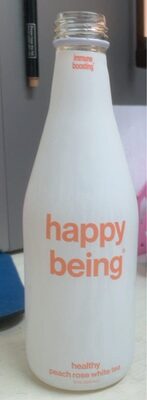
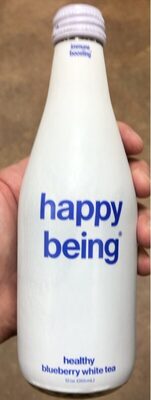
Foods that contain Turmacin
Compare products →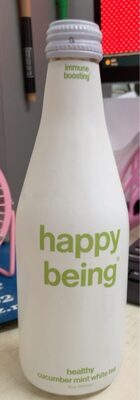
Learn more
Auto-generated content. This description was generated automatically and is pending editorial review. Inaccuracies are possible. Found a mistake? Contact us.