Turmeric And Turmeric Extract
What is Turmeric And Turmeric Extract?
Turmeric is a bright yellow spice derived from the root of the Curcuma longa plant, native to Southeast Asia. The root is typically dried and ground into a powder, or it can be processed into an extract for concentrated use.
Is Turmeric And Turmeric Extract vegan?
Turmeric And Turmeric Extract is not animal-derived. Products that contain it can still include other animal-derived ingredients, so check the full ingredient list.
Is Turmeric And Turmeric Extract gluten-free?
It does not contain gluten.
Is Turmeric And Turmeric Extract a major allergen?
Turmeric is not one of the nine major allergens.
What is Turmeric And Turmeric Extract used for?
Turmeric is primarily used as a natural yellow coloring agent in foods like mustard, sauces, and processed cheeses.
Is Turmeric And Turmeric Extract safe?
Turmeric and its active compound, curcumin, have been studied for various health effects.
Why it's used
Turmeric is primarily used as a natural yellow coloring agent in foods like mustard, sauces, and processed cheeses. It also imparts a warm, slightly bitter, peppery flavor, making it a key ingredient in many curries and spice blends.
Health notes
Turmeric and its active compound, curcumin, have been studied for various health effects. The FDA recognizes turmeric as Generally Recognized As Safe (GRAS) for use as a food ingredient. Both JECFA and EFSA have evaluated turmeric and its extracts, but no specific ADI or upper limits are set. Research into curcumin's health benefits is ongoing, with some studies suggesting anti-inflammatory properties, though more robust human trials are needed to confirm these effects.
Allergen info
Turmeric is not one of the nine major allergens. It does not contain gluten.
Foods that contain Turmeric And Turmeric Extract
Compare products →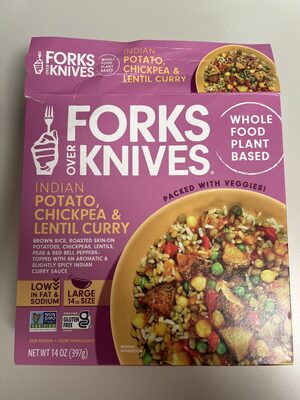 Forks Over Knives, LLC.
Indian Potato, Chickpea & Lentil Curry Brown Rice, Roasted Skin-On Potatoes, Chickpeas, Lentils, Peas & Red Bell Peppers-Topped With An Aromatic & Slightly Spicy Indian Curry Sauce, Indian Potato, Chickpea & Lentil Curry
76kcal
4.0Protein
0.4Fat
16.4Carbs
Lowe's Food Stores, Inc.
Lowes Foods, Golden Steak Sauce
118kcal
0Protein
0Fat
23.5Carbs
Rains Enterprises LLC
Original Chicken Dipping Sauce, Original Chicken
433kcal
0Protein
43.3Fat
16.7Carbs
Forks Over Knives, LLC.
Indian Potato, Chickpea & Lentil Curry Brown Rice, Roasted Skin-On Potatoes, Chickpeas, Lentils, Peas & Red Bell Peppers-Topped With An Aromatic & Slightly Spicy Indian Curry Sauce, Indian Potato, Chickpea & Lentil Curry
76kcal
4.0Protein
0.4Fat
16.4Carbs
Lowe's Food Stores, Inc.
Lowes Foods, Golden Steak Sauce
118kcal
0Protein
0Fat
23.5Carbs
Rains Enterprises LLC
Original Chicken Dipping Sauce, Original Chicken
433kcal
0Protein
43.3Fat
16.7Carbs
Learn more
Auto-generated content. This description was generated automatically and is pending editorial review. Inaccuracies are possible. Found a mistake? Contact us.