Turmeric Coloring
Auto-generated content. This description was generated automatically and is pending editorial review. Inaccuracies are possible. Found a mistake? Contact us.
What it is
Turmeric coloring, also known as curcumin, is a vibrant yellow pigment derived from the root of the turmeric plant (Curcuma longa). The coloring is typically extracted from the dried turmeric rhizomes using solvents, and then purified. It provides a natural, bright yellow hue to foods.
Why it's used
Turmeric coloring is used by food manufacturers primarily as a natural colorant. It is added to a wide variety of products to impart a yellow or orange-yellow shade, enhancing visual appeal. It is commonly found in dairy products, baked goods, snacks, confectionery, and beverages.
Health notes
Turmeric extract, including curcumin, is generally recognized as safe (GRAS) by the FDA for use as a food coloring. Regulatory bodies like EFSA have also evaluated it. While turmeric has been studied for various health benefits, these are typically associated with higher doses than those consumed through food coloring. At typical intake levels from food, it is not associated with adverse health effects.
Allergen info
Turmeric itself is not one of the nine major allergens recognized by the FDA, nor is it a source of gluten. Not a major allergen.
Products containing Turmeric Coloring
Compare products →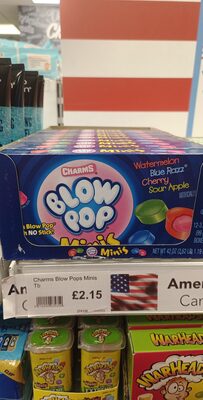 Charms Company
Charms, Blow Pop, Pop Minis, Watermelon, Blue Razz, Cherry, Sour Apple, Watermelon, Blue Razz, Cherry, Sour Apple
375kcal
0Protein
0Fat
87.5Carbs
Charms Company
Charms, Sweet 'N Sour Pops, Assorted, Assorted
375kcal
0Protein
0Fat
87.5Carbs
Charms Company
Charms, Blow Pop, Pop Minis, Watermelon, Blue Razz, Cherry, Sour Apple, Watermelon, Blue Razz, Cherry, Sour Apple
375kcal
0Protein
0Fat
87.5Carbs
Charms Company
Charms, Sweet 'N Sour Pops, Assorted, Assorted
375kcal
0Protein
0Fat
87.5Carbs
 Tootsie Roll Industries Inc.
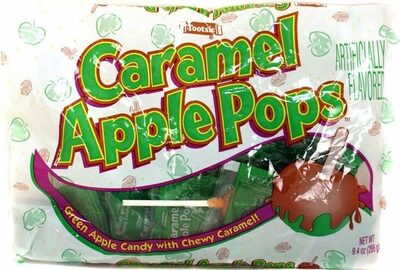
Caramel Apple Pops, Green Apple
333kcal
0Protein
2.8Fat
83.3Carbs
Tootsie Roll Industries Inc.
Pop Drops, Pops
375kcal
0Protein
0Fat
87.5Carbs
Tootsie Roll Industries Inc.
Easter Egg Shapes, Orange, Cherry, Grape, Raspberry & Chocolate
353kcal
0Protein
0Fat
88.2Carbs
Tootsie Roll Industries Inc.
Tootsie, Tootsie Pops, Miniatures, Assorted Kid Flavors, Assorted Kid Flavors
400kcal
0Protein
0Fat
93.3Carbs
Charms Company
Charms, Blow Pop, Bubble Gum Filled Pops, Assorted Bubble Gum, Assorted Bubble Gum
389kcal
0Protein
0Fat
94.4Carbs
Charms Company
Assorted Bubble Gum Filled Pops, Creepy Treats
High in added sugars — 22% DV per serving
375kcal
0Protein
0Fat
87.5Carbs
Tootsie Roll Industries Inc.
Caramel Apple Pops, Assorted Apple, Caramel
333kcal
0Protein
2.8Fat
83.3Carbs
Charms Company
Bubble Gum Filled Lollipop, Blue Razz Berry
333kcal
0Protein
0Fat
94.4Carbs
Tootsie Roll Industries Inc.
Caramel Apple Pops, Green Apple
333kcal
0Protein
2.8Fat
83.3Carbs
Tootsie Roll Industries Inc.
Pop Drops, Pops
375kcal
0Protein
0Fat
87.5Carbs
Tootsie Roll Industries Inc.
Easter Egg Shapes, Orange, Cherry, Grape, Raspberry & Chocolate
353kcal
0Protein
0Fat
88.2Carbs
Tootsie Roll Industries Inc.
Tootsie, Tootsie Pops, Miniatures, Assorted Kid Flavors, Assorted Kid Flavors
400kcal
0Protein
0Fat
93.3Carbs
Charms Company
Charms, Blow Pop, Bubble Gum Filled Pops, Assorted Bubble Gum, Assorted Bubble Gum
389kcal
0Protein
0Fat
94.4Carbs
Charms Company
Assorted Bubble Gum Filled Pops, Creepy Treats
High in added sugars — 22% DV per serving
375kcal
0Protein
0Fat
87.5Carbs
Tootsie Roll Industries Inc.
Caramel Apple Pops, Assorted Apple, Caramel
333kcal
0Protein
2.8Fat
83.3Carbs
Charms Company
Bubble Gum Filled Lollipop, Blue Razz Berry
333kcal
0Protein
0Fat
94.4Carbs
 Charms Company
Charms, Blow Pop, Bubble Gum Filled Pops, Cherry, Cherry
375kcal
0Protein
0Fat
87.5Carbs
Charms Company
Minis, Cherry
375kcal
0Protein
0Fat
93.8Carbs
Charms Company
Charms, Blow Pop, Bubble Gum Filled Pops, Cherry, Cherry
375kcal
0Protein
0Fat
87.5Carbs
Charms Company
Minis, Cherry
375kcal
0Protein
0Fat
93.8Carbs