Turmeric Oleoresin Added
What is Turmeric Oleoresin Added?
Turmeric oleoresin is a concentrated extract derived from the turmeric spice (Curcuma longa). It is produced by extracting the natural color and flavor compounds from dried turmeric powder using solvents, which are then removed to create a potent liquid or semi-solid substance.
Is Turmeric Oleoresin Added vegan?
Turmeric Oleoresin Added is not animal-derived. Products that contain it can still include other animal-derived ingredients, so check the full ingredient list.
Is Turmeric Oleoresin Added gluten-free?
Turmeric oleoresin is not derived from any of the 9 major FDA allergens and does not contain gluten.
What is Turmeric Oleoresin Added used for?
Manufacturers add turmeric oleoresin primarily for its vibrant yellow-orange color, acting as a natural food coloring.
Is Turmeric Oleoresin Added safe?
Turmeric oleoresin is generally recognized as safe (GRAS) by the FDA for use as a food coloring.
Why it's used
Manufacturers add turmeric oleoresin primarily for its vibrant yellow-orange color, acting as a natural food coloring. It is used in a variety of processed foods, including pasta dishes, snack foods, and energy bars, to impart a consistent and appealing hue.
Health notes
Turmeric oleoresin is generally recognized as safe (GRAS) by the FDA for use as a food coloring. It is a source of curcuminoids, which have been studied for potential antioxidant and anti-inflammatory properties, though research is ongoing. Regulatory bodies like EFSA have evaluated turmeric oleoresin and its components. At typical consumption levels, it is not associated with adverse health effects.
Allergen info
Turmeric oleoresin is not derived from any of the 9 major FDA allergens and does not contain gluten.
Foods that contain Turmeric Oleoresin Added
Compare products →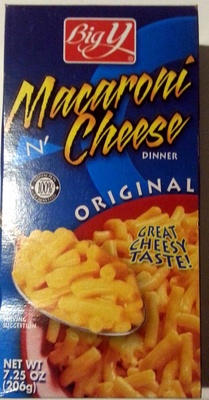 Big Y Foods, Inc.
Original Macaroni & Cheese Dinner, Original Macaroni & Cheese
High in sodium — 25% DV per serving
357kcal
11.4Protein
2.1Fat
71.4Carbs
Big Y Foods, Inc.
Original Macaroni & Cheese Dinner, Original Macaroni & Cheese
High in sodium — 25% DV per serving
357kcal
11.4Protein
2.1Fat
71.4Carbs
Big Y Foods, Inc.
Spirals Macaroni & Cheese Dinner, Spirals Macaroni & Cheese
High in sodium — 24% DV per serving
357kcal
11.4Protein
2.1Fat
71.4Carbs
The Nature's Bounty Co.
Nutrition Bar, Lemon Meringue Crunch
High in saturated fat — 20% DV per serving
400kcal
28Protein
14Fat
46Carbs
Big Y Foods, Inc.
Original Macaroni & Cheese Dinner, Original Macaroni & Cheese
High in sodium — 25% DV per serving
357kcal
11.4Protein
2.1Fat
71.4Carbs
Big Y Foods, Inc.
Original Macaroni & Cheese Dinner, Original Macaroni & Cheese
High in sodium — 25% DV per serving
357kcal
11.4Protein
2.1Fat
71.4Carbs
Big Y Foods, Inc.
Spirals Macaroni & Cheese Dinner, Spirals Macaroni & Cheese
High in sodium — 24% DV per serving
357kcal
11.4Protein
2.1Fat
71.4Carbs
The Nature's Bounty Co.
Nutrition Bar, Lemon Meringue Crunch
High in saturated fat — 20% DV per serving
400kcal
28Protein
14Fat
46Carbs
Learn more
Auto-generated content. This description was generated automatically and is pending editorial review. Inaccuracies are possible. Found a mistake? Contact us.