Unsulphured Blackstrap Molasses
What is Unsulphured Blackstrap Molasses?
Unsulphured blackstrap molasses is a thick, dark syrup produced from sugarcane or sugar beets. It's a byproduct of the sugar refining process, specifically from the third boiling, which removes most of the sugar crystals. The 'unsulphured' label means sulfur dioxide was not used as a preservative during processing.
Is Unsulphured Blackstrap Molasses vegan?
Unsulphured Blackstrap Molasses is not animal-derived. Products that contain it can still include other animal-derived ingredients, so check the full ingredient list.
Is Unsulphured Blackstrap Molasses gluten-free?
It does not contain gluten.
Is Unsulphured Blackstrap Molasses a major allergen?
Not a major allergen.
What is Unsulphured Blackstrap Molasses used for?
Manufacturers use unsulphured blackstrap molasses primarily as a sweetener and for its distinct, robust flavor.
Is Unsulphured Blackstrap Molasses safe?
Unsulphured blackstrap molasses is generally recognized as safe (GRAS) by the FDA for use as a food ingredient.
Why it's used
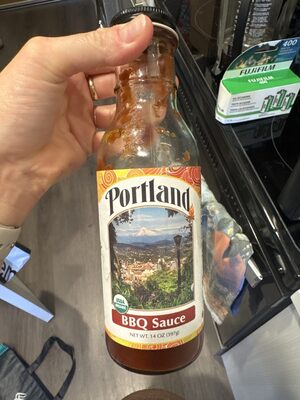
Manufacturers use unsulphured blackstrap molasses primarily as a sweetener and for its distinct, robust flavor. Its dark color also contributes to the appearance of baked goods and sauces. It is commonly found in gingerbread, baked beans, BBQ sauces, marinades, and some health bars.
Health notes
Unsulphured blackstrap molasses is generally recognized as safe (GRAS) by the FDA for use as a food ingredient. It contains some minerals like iron and calcium, but amounts are small in typical servings. JECFA has evaluated molasses and set an acceptable daily intake. No significant health controversies are associated with its consumption at typical levels.
Allergen info
Not a major allergen. Molasses is derived from sugarcane or sugar beets, which are not among the nine major allergens. It does not contain gluten.
Foods that contain Unsulphured Blackstrap Molasses
Compare products →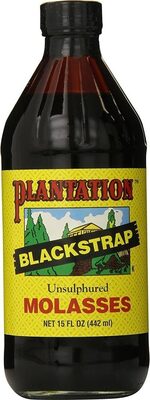
Learn more
Auto-generated content. This description was generated automatically and is pending editorial review. Inaccuracies are possible. Found a mistake? Contact us.