Unsweetened Belgian Chocolate
Auto-generated content. This description was generated automatically and is pending editorial review. Inaccuracies are possible. Found a mistake? Contact us.
What it is
Unsweetened Belgian chocolate is a type of dark chocolate made from cocoa solids, cocoa butter, and sometimes lecithin. It is known for its intense, pure chocolate flavor and is produced in Belgium, a country renowned for its high-quality chocolate-making traditions. The process involves roasting cocoa beans, grinding them into a paste, and then conching (a process of mixing and aerating) to develop flavor and texture.
Why it's used
Manufacturers use unsweetened Belgian chocolate primarily for its rich, deep chocolate flavor. It serves as a key flavoring ingredient in a wide variety of products, including ice cream, candies, baked goods, and desserts. Its intense taste allows it to stand out even when used in combination with other ingredients.
Health notes
Unsweetened Belgian chocolate is generally recognized as safe (GRAS) by the FDA when used as a food ingredient. It contains flavanols, which are antioxidants that have been studied for potential cardiovascular benefits. However, the health effects can vary depending on the specific cocoa content and processing. Regulatory bodies like EFSA have evaluated cocoa and chocolate products, noting potential benefits from flavanols but also advising moderation due to sugar and fat content in many chocolate products.
Allergen info
Unsweetened Belgian chocolate itself is not derived from one of the 9 FDA major allergens. However, it may be manufactured in facilities that process milk, nuts, soy, or wheat, leading to potential cross-contamination. It does not contain gluten.
Products containing Unsweetened Belgian Chocolate
Compare products →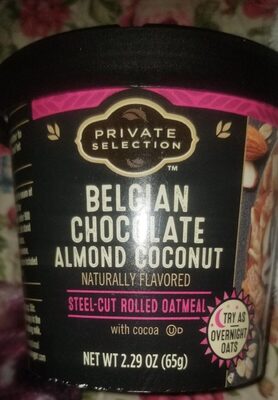 The Kroger Co.
Belgian Chocolate Almond Coconut Flavored Steel-Cut Rolled Oatmeal, Belgian Chocolate Almond Coconut
High in added sugars — 28% DV per serving
400kcal
10.8Protein
10.8Fat
69.2Carbs
The Kroger Co.
Belgian Chocolate Almond Coconut Flavored Steel-Cut Rolled Oatmeal, Belgian Chocolate Almond Coconut
High in added sugars — 28% DV per serving
400kcal
10.8Protein
10.8Fat
69.2Carbs
 Coolhaus
Street Cart Churro Dough Ice Cream Cone, Street Cart Churro Dough
High in saturated fat — 45% DV per serving
High in added sugars — 44% DV per serving
333kcal
3.3Protein
18.9Fat
40Carbs
Coolhaus
Street Cart Churro Dough Ice Cream Cone, Street Cart Churro Dough
High in saturated fat — 45% DV per serving
High in added sugars — 44% DV per serving
333kcal
3.3Protein
18.9Fat
40Carbs
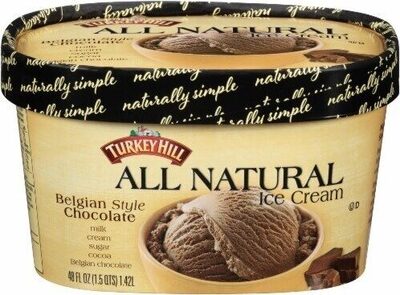 Turkey Hill Dairy Inc.
All Natural Belgian Style Chocolate Ice Cream, Chocolate
High in saturated fat — 35% DV per serving
High in added sugars — 40% DV per serving
234kcal
4.3Protein
11.7Fat
28.7Carbs
Turkey Hill Dairy Inc.
All Natural Belgian Style Chocolate Ice Cream, Chocolate
High in saturated fat — 35% DV per serving
High in added sugars — 40% DV per serving
234kcal
4.3Protein
11.7Fat
28.7Carbs
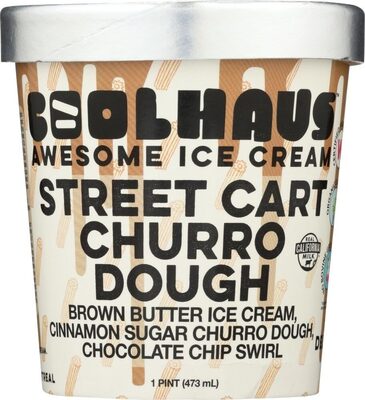 Coolhaus
Street Cart Churro Dough Brown Butter Ice Cream With Cinnamon Sugar Dough & A Chocolate Flake Swirl, Street Cart Churro Dough
High in saturated fat — 70% DV per serving
High in cholesterol — 20% DV per serving
275kcal
2.5Protein
17.5Fat
25.8Carbs
Coolhaus
Street Cart Churro Dough Brown Butter Ice Cream With Cinnamon Sugar Dough & A Chocolate Flake Swirl, Street Cart Churro Dough
High in saturated fat — 70% DV per serving
High in cholesterol — 20% DV per serving
275kcal
2.5Protein
17.5Fat
25.8Carbs