Vanilla Flavouring
What is Vanilla Flavouring?
Vanilla flavoring is a substance used to impart the taste and aroma of vanilla. It can be derived from natural vanilla beans, which grow on orchid vines, or created synthetically. Natural vanilla extract is made by steeping vanilla beans in alcohol and water, while artificial vanillin is produced chemically.
Is Vanilla Flavouring gluten-free?
Vanilla flavoring is not derived from any of the nine major allergens and does not contain gluten.
What is Vanilla Flavouring used for?
Manufacturers add vanilla flavoring to enhance the taste and aroma of a wide variety of foods.
Is Vanilla Flavouring safe?
Vanilla flavoring, whether natural or artificial, is generally recognized as safe (GRAS) by the FDA when used as a flavoring agent.
Why it's used
Manufacturers add vanilla flavoring to enhance the taste and aroma of a wide variety of foods. It is commonly found in baked goods like cakes and cookies, as well as in ice cream, chocolate, beverages, and candies. Its sweet, warm flavor profile makes it a versatile ingredient for sweet products.
Health notes
Vanilla flavoring, whether natural or artificial, is generally recognized as safe (GRAS) by the FDA when used as a flavoring agent. Regulatory bodies like JECFA and EFSA have evaluated vanillin and other vanilla flavor compounds. At typical consumption levels, it does not pose health risks. There are no major health controversies associated with its use in food.
Allergen info
Vanilla flavoring is not derived from any of the nine major allergens and does not contain gluten.
Foods that contain Vanilla Flavouring
Compare products →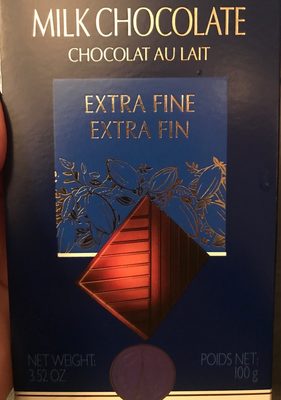
Learn more
Auto-generated content. This description was generated automatically and is pending editorial review. Inaccuracies are possible. Found a mistake? Contact us.