Vanillin Flavor
What is Vanillin Flavor?
Vanillin flavor is the primary chemical compound that gives vanilla its characteristic taste and aroma. While it can be extracted from vanilla bean pods, most vanillin used in food is produced synthetically. This synthetic vanillin is made through various chemical processes, often starting from compounds like guaiacol or lignin, a byproduct of wood pulp.
Is Vanillin Flavor vegan?
Vanillin Flavor is not animal-derived. Products that contain it can still include other animal-derived ingredients, so check the full ingredient list.
Is Vanillin Flavor gluten-free?
Vanillin flavor is not derived from any of the nine FDA major allergens and does not contain gluten.
What is Vanillin Flavor used for?
Manufacturers add vanillin flavor to foods to impart a sweet, creamy, vanilla-like taste.
Is Vanillin Flavor safe?
Vanillin is generally recognized as safe (GRAS) by the U.S. Food and Drug Administration (FDA) for use as a flavoring agent.
Why it's used
Manufacturers add vanillin flavor to foods to impart a sweet, creamy, vanilla-like taste. It is a cost-effective way to achieve the flavor of vanilla, making it widely used in baked goods, dairy products, candies, and beverages. It is found in products ranging from cookies and cakes to ice cream and chocolate.
Health notes
Vanillin is generally recognized as safe (GRAS) by the U.S. Food and Drug Administration (FDA) for use as a flavoring agent. International bodies like JECFA have evaluated vanillin and established acceptable daily intakes. At typical consumption levels found in food, vanillin is not associated with adverse health effects. Research has explored potential antioxidant and anti-inflammatory properties of vanillin, but more studies are needed to confirm these effects in humans.
Allergen info
Vanillin flavor is not derived from any of the nine FDA major allergens and does not contain gluten.
Foods that contain Vanillin Flavor
Compare products →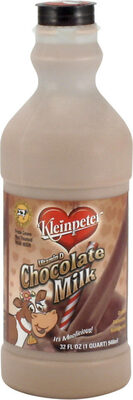
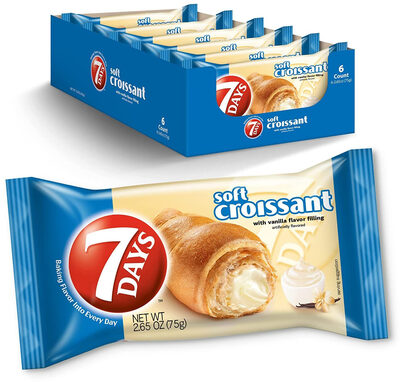
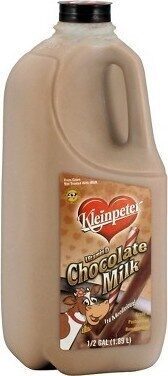
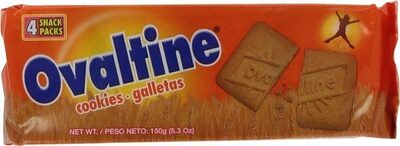
Learn more
Auto-generated content. This description was generated automatically and is pending editorial review. Inaccuracies are possible. Found a mistake? Contact us.