Vegetable Flavoring
What is Vegetable Flavoring?
Vegetable flavoring is a broad term for substances that impart a vegetable-like taste to foods. These flavorings can be derived from natural sources like vegetables or created synthetically to mimic natural flavors. They are often complex mixtures of compounds designed to replicate specific vegetable profiles.
Is Vegetable Flavoring a major allergen?
Vegetable flavorings are not typically derived from the major allergens.
What is Vegetable Flavoring used for?
Manufacturers use vegetable flavorings to enhance or create savory, vegetable-specific tastes in a wide range of food products.
Is Vegetable Flavoring safe?
In the US, many flavoring substances are considered Generally Recognized As Safe (GRAS) by the FDA or are approved food additives.
Why it's used
Manufacturers use vegetable flavorings to enhance or create savory, vegetable-specific tastes in a wide range of food products. They are commonly found in soups, sauces, processed meals, snacks, and seasonings where a distinct vegetable note is desired.
Health notes
In the US, many flavoring substances are considered Generally Recognized As Safe (GRAS) by the FDA or are approved food additives. Regulatory bodies like JECFA and EFSA have evaluated many flavoring compounds for safety. Evidence on the health effects of specific vegetable flavorings at typical consumption levels is generally reassuring, though research continues on the impact of complex flavor mixtures.
Allergen info
Vegetable flavorings are not typically derived from the major allergens. However, specific ingredients within a complex flavoring blend could potentially contain allergens, so checking the full ingredient list is always recommended.
Foods that contain Vegetable Flavoring
Compare products →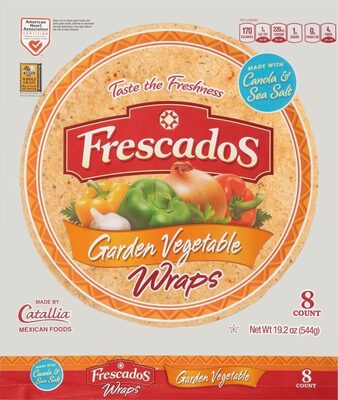
Learn more
Auto-generated content. This description was generated automatically and is pending editorial review. Inaccuracies are possible. Found a mistake? Contact us.