Vegetable Glycerol
What is Vegetable Glycerol?
Vegetable glycerol, also known as glycerin, is a clear, colorless, odorless, and viscous liquid. It is a sugar alcohol that can be derived from plant oils (like soy or coconut) or animal fats. It is produced industrially through chemical processes like saponification or transesterification of fats and oils.
Is Vegetable Glycerol gluten-free?
It does not contain gluten.
Is Vegetable Glycerol a major allergen?
Vegetable glycerol is not derived from any of the nine FDA major allergens.
What is Vegetable Glycerol used for?
Manufacturers add vegetable glycerol to foods for several reasons, including as a humectant to retain moisture, a solvent for flavors and colors, a sweetener, and a preservative.
Is Vegetable Glycerol safe?
Vegetable glycerol is Generally Recognized As Safe (GRAS) by the FDA for use in food.
Why it's used
Manufacturers add vegetable glycerol to foods for several reasons, including as a humectant to retain moisture, a solvent for flavors and colors, a sweetener, and a preservative. It helps improve texture and mouthfeel in baked goods, confectionery, and beverages.
Health notes
Vegetable glycerol is Generally Recognized As Safe (GRAS) by the FDA for use in food. It is metabolized by the body differently than sugar and is not typically associated with negative health effects when consumed in typical amounts found in food. JECFA and EFSA have evaluated glycerol and established acceptable daily intakes. Some studies suggest potential benefits for hydration and athletic performance, but more research is needed.
Allergen info
Vegetable glycerol is not derived from any of the nine FDA major allergens. It does not contain gluten.
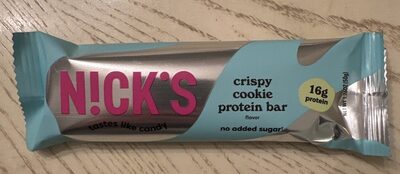
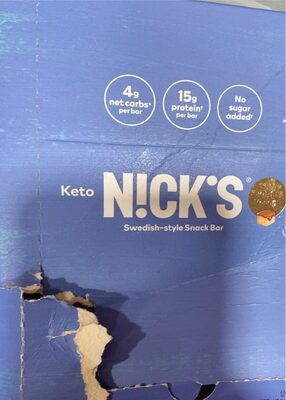
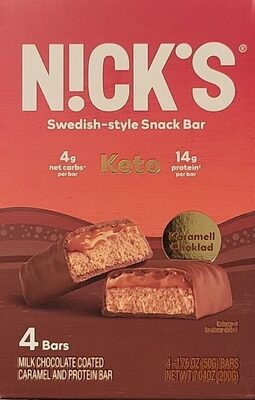
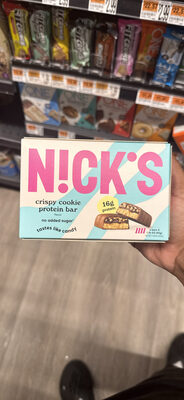
Foods that contain Vegetable Glycerol
Compare products →
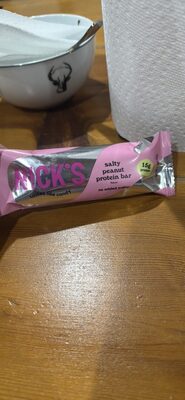
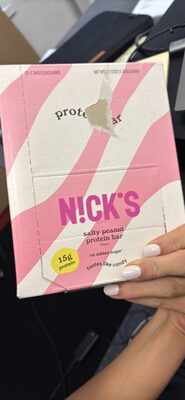
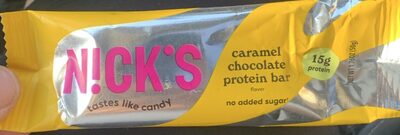
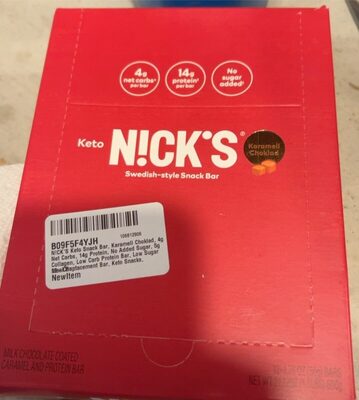

Learn more
Auto-generated content. This description was generated automatically and is pending editorial review. Inaccuracies are possible. Found a mistake? Contact us.