Vegetable Juice Added
Auto-generated content. This description was generated automatically and is pending editorial review. Inaccuracies are possible. Found a mistake? Contact us.
What it is
Vegetable juice added is a liquid extract made from one or more vegetables. It is produced by pressing or blending vegetables to release their juices, which are then typically filtered. The specific vegetables used can vary widely.
Why it's used
Manufacturers add vegetable juice for several purposes. It can be used to impart natural color, add a subtle vegetable flavor, or contribute to the overall liquid content of a food product. It is commonly found in salad dressings, sauces, and some frozen meals.
Health notes
Vegetable juice added is generally recognized as safe (GRAS) by the FDA when used as a food ingredient. It is a source of vitamins and minerals naturally present in the vegetables used. Regulatory bodies like JECFA and EFSA have evaluated various vegetable extracts, and they are typically considered safe at levels used in food. No significant health controversies are associated with its use as a food ingredient at typical intake levels.
Allergen info
Vegetable juice added is not derived from any of the 9 FDA major allergens. It does not contain gluten.
Products containing Vegetable Juice Added
Compare products →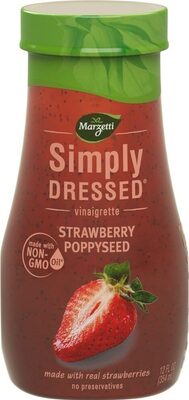 T. Marzetti Company
Strawberry Poppyseed Vinaigrette, Strawberry Poppyseed
375kcal
0Protein
31.2Fat
18.8Carbs
T. Marzetti Company
Raspberry Cabernet Vinaigrette
182kcal
0Protein
9.1Fat
21.2Carbs
Nestle Usa-Frozen Food Division
Cranberry And Chicken Includes Raspberry Cabernet Vinaigrette, Grilled White Meat Chicken, Dried Cranberries, Broccoli, Red Onions, Yellow Carrots, A Blend Of Grains, Crunchy Sesame Sticks, Cranberry And Chicken
High in sodium — 27% DV per serving
134kcal
7.2Protein
4.3Fat
16.8Carbs
T. Marzetti Company
Strawberry Poppyseed Vinaigrette, Strawberry Poppyseed
375kcal
0Protein
31.2Fat
18.8Carbs
T. Marzetti Company
Raspberry Cabernet Vinaigrette
182kcal
0Protein
9.1Fat
21.2Carbs
Nestle Usa-Frozen Food Division
Cranberry And Chicken Includes Raspberry Cabernet Vinaigrette, Grilled White Meat Chicken, Dried Cranberries, Broccoli, Red Onions, Yellow Carrots, A Blend Of Grains, Crunchy Sesame Sticks, Cranberry And Chicken
High in sodium — 27% DV per serving
134kcal
7.2Protein
4.3Fat
16.8Carbs
 T. Marzetti Company
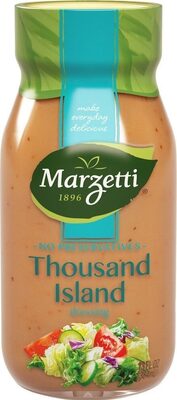
Thousand Island Dressing, Thousand Island
516kcal
0Protein
48.4Fat
16.1Carbs
T. Marzetti Company
Strawberry Poppyseed Dressing, Strawberry; Poppyseed
161kcal
0Protein
14.5Fat
9.7Carbs
T. Marzetti Company
Thousand Island Dressing, Thousand Island
516kcal
0Protein
48.4Fat
16.1Carbs
T. Marzetti Company
Strawberry Poppyseed Dressing, Strawberry; Poppyseed
161kcal
0Protein
14.5Fat
9.7Carbs