Vietnamese Cinnamon
Auto-generated content. This description was generated automatically and is pending editorial review. Inaccuracies are possible. Found a mistake? Contact us.
What it is
Vietnamese cinnamon, also known as Saigon cinnamon, is a variety of cinnamon derived from the inner bark of the *Cinnamomum loureiroi* tree, native to Southeast Asia. It is known for its strong, sweet flavor and high concentration of cinnamaldehyde, the compound responsible for its characteristic taste and aroma. The bark is harvested, dried, and often ground into a powder for use as a spice.
Why it's used
Manufacturers use Vietnamese cinnamon primarily as a flavoring agent, adding its warm, sweet, and slightly spicy notes to a wide range of food products. It is commonly found in baked goods like cookies, cakes, and scones, as well as in snack items such as popcorn and nut butters, enhancing their overall taste profile.
Health notes
Vietnamese cinnamon is generally recognized as safe (GRAS) by the FDA for use as a food flavoring. While cinnamon has been studied for potential health benefits, such as antioxidant properties, research is ongoing, and evidence is mixed regarding its effects on blood sugar and cholesterol. International bodies like JECFA and EFSA have evaluated cinnamon, but no specific numeric limits are typically set for its use as a spice. High intake of cinnamon, particularly certain varieties, could potentially lead to liver issues due to coumarin content, though this is not a common concern with typical dietary consumption.
Allergen info
Cinnamon is not one of the FDA's 9 major allergens and does not contain gluten.
Products containing Vietnamese Cinnamon
Compare products →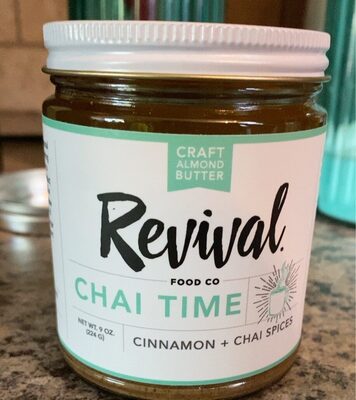 Pure & Good Handcrafted Foods, LLC
Cinnamon + Chai Spices Chat Time Almond Butter, Cinnamon + Chai Spices
311kcal
11.1Protein
—Fat
11.1Carbs
The King Arthur Flour Company, Inc.
Cinnamon Sugar Puff Muffin Mix, Cinnamon
381kcal
4.8Protein
0Fat
85.7Carbs
Pure & Good Handcrafted Foods, LLC
Cinnamon + Chai Spices Chat Time Almond Butter, Cinnamon + Chai Spices
311kcal
11.1Protein
—Fat
11.1Carbs
The King Arthur Flour Company, Inc.
Cinnamon Sugar Puff Muffin Mix, Cinnamon
381kcal
4.8Protein
0Fat
85.7Carbs