Vitamin C Citric Acid
Auto-generated content. This description was generated automatically and is pending editorial review. Inaccuracies are possible. Found a mistake? Contact us.
What it is
Vitamin C, also known as ascorbic acid, is a water-soluble vitamin found naturally in many fruits and vegetables. It is often produced commercially through chemical synthesis, typically starting with glucose derived from corn or other plant sources. It plays a vital role in immune function, collagen production, and as an antioxidant.
Why it's used
Manufacturers add Vitamin C to foods as an antioxidant to prevent spoilage and maintain color, and as a nutrient to fortify products. It is also used as an acidity regulator to enhance flavor in beverages, jams, and processed fruits. You'll find it in fruit juices, canned fruits, baked goods, and processed meats.
Health notes
Vitamin C is generally recognized as safe (GRAS) by the FDA when used as a nutrient or antioxidant. The FDA has established it as an essential nutrient. JECFA and EFSA have evaluated Vitamin C and established acceptable daily intake levels. While generally safe, very high doses can cause digestive upset in some individuals. Research suggests Vitamin C may support immune function, but it is not a cure for the common cold.
Allergen info
Vitamin C is not derived from any of the nine FDA major allergens and does not contain gluten.
Products containing Vitamin C Citric Acid
Compare products →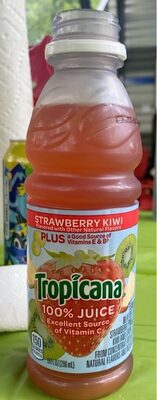 Tropicana Products, Inc.
Strawberry Kiwi Plus Juice, Strawberry Kiwi
51kcal
0Protein
0Fat
12.8Carbs
S. M. Flickinger Co., Inc.
Tomato Juice, Tomato
High in sodium — 29% DV per serving
19kcal
0.8Protein
0Fat
4.2Carbs
Tropicana Products, Inc.
Strawberry Kiwi Plus Juice, Strawberry Kiwi
51kcal
0Protein
0Fat
12.8Carbs
S. M. Flickinger Co., Inc.
Tomato Juice, Tomato
High in sodium — 29% DV per serving
19kcal
0.8Protein
0Fat
4.2Carbs