Vitamins: Vitamin A
Auto-generated content. This description was generated automatically and is pending editorial review. Inaccuracies are possible. Found a mistake? Contact us.
What it is
Vitamin A is a fat-soluble vitamin that is essential for vision, immune function, and cell growth. It occurs naturally in foods like liver, fish oils, eggs, and dairy products, and as beta-carotene in fruits and vegetables. In food processing, vitamin A is often added as retinyl palmitate or retinyl acetate, which are synthesized forms.
Why it's used
Vitamin A is added to foods as a nutrient supplement to help consumers meet their daily requirements. It is commonly found in fortified foods such as cereals, milk, infant formula, and spreads. Manufacturers add it to improve the nutritional profile of their products.
Health notes
Vitamin A is an essential nutrient, and the US National Academies have established upper intake levels (ULs) for it. The FDA considers added vitamins and minerals to be generally recognized as safe (GRAS) when used according to good manufacturing practices. Both JECFA and EFSA have evaluated vitamin A. Excessive intake of preformed vitamin A can lead to toxicity, while deficiency can cause vision problems and impair immune function. However, at typical intake levels from fortified foods, vitamin A is considered safe.
Allergen info
Vitamin A itself is not a major allergen. However, if it is derived from or added to products containing major allergens like milk or fish oil, those ingredients would be the source of the allergen.
Products containing Vitamins: Vitamin A
Compare products →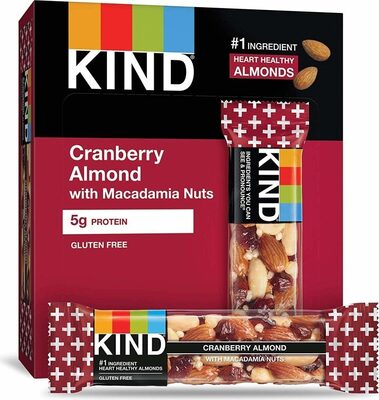 KIND Inc.
Bars, Cranberry Almond + Antioxidants With Macadamia Nuts
475kcal
10Protein
32.5Fat
50Carbs
KIND Inc.
Pomegranate Blueberry Pistachio + Antioxidants Plus Bars, Pomegranate Blueberry Pistachio + Antioxidants
475kcal
10Protein
25Fat
55Carbs
KIND Inc.
Bars, Cranberry Almond + Antioxidants With Macadamia Nuts
475kcal
10Protein
32.5Fat
50Carbs
KIND Inc.
Pomegranate Blueberry Pistachio + Antioxidants Plus Bars, Pomegranate Blueberry Pistachio + Antioxidants
475kcal
10Protein
25Fat
55Carbs
 KIND Inc.
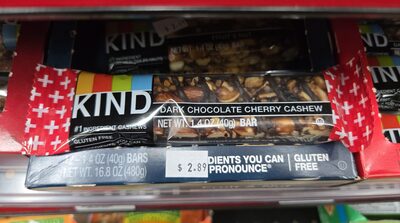
Dark Chocolate Cherry Cashew + Antioxidants Plus Bar, Dark Chocolate Cherry Cashew Antioxidants
450kcal
10Protein
22.5Fat
55Carbs
KIND Inc.
Dark Chocolate Cherry Cashew + Antioxidants Plus Bar, Dark Chocolate Cherry Cashew Antioxidants
450kcal
10Protein
22.5Fat
55Carbs