Vit
Auto-generated content. This description was generated automatically and is pending editorial review. Inaccuracies are possible. Found a mistake? Contact us.
What it is
Vitamin C, also known as ascorbic acid, is a water-soluble vitamin found naturally in many fruits and vegetables. It is an essential nutrient that humans cannot produce on their own. It is often manufactured synthetically for use as a food additive.
Why it's used
Vitamin C is primarily added to foods as an antioxidant to prevent spoilage and maintain color, especially in fruits and processed meats. It also acts as a nutrient to fortify foods like cereals, beverages, and dairy products, and can be used as an acidity regulator.
Health notes
The U.S. Food and Drug Administration (FDA) recognizes ascorbic acid as Generally Recognized As Safe (GRAS) when used as a nutrient or preservative. It is an essential nutrient for human health, playing a role in immune function and collagen production. High doses may cause digestive upset in some individuals. The Joint FAO/WHO Expert Committee on Food Additives (JECFA) has evaluated ascorbic acid.
Allergen info
Not a major allergen.
Products containing Vit
Compare products →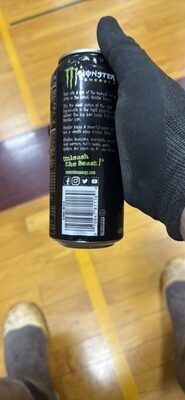 Monster Energy Company
Energy Drink
46kcal
0Protein
0Fat
11.2Carbs
SAMA SPREAD
Smokey Artisan Almond Cheeze
286kcal
17.9Protein
14.3Fat
21.4Carbs
EAS
Get Lean & Toned Bars
High in saturated fat — 20% DV per serving
420kcal
30Protein
14Fat
46Carbs
Monster Energy Company
Energy Drink
46kcal
0Protein
0Fat
11.2Carbs
SAMA SPREAD
Smokey Artisan Almond Cheeze
286kcal
17.9Protein
14.3Fat
21.4Carbs
EAS
Get Lean & Toned Bars
High in saturated fat — 20% DV per serving
420kcal
30Protein
14Fat
46Carbs
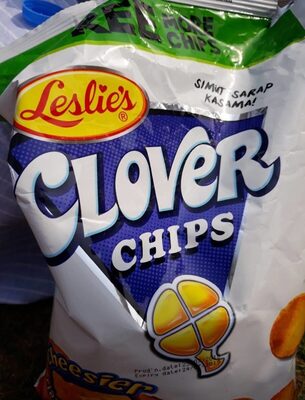 LESLIE'S
Clover Chips
High in saturated fat — 35% DV per serving
533kcal
3.3Protein
33.3Fat
60Carbs
LESLIE'S
Clover Chips
High in saturated fat — 35% DV per serving
533kcal
3.3Protein
33.3Fat
60Carbs
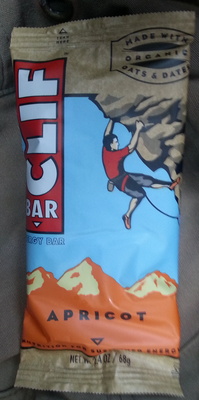 Clif Bar and Company
Energy Bar Made With Organic Rolled Oats
353kcal
13.2Protein
5.2Fat
67.7Carbs
Clif Bar and Company
Fruit Punch Organic Twisted Fruit Rope, Fruit Punch
350kcal
0Protein
0Fat
85Carbs
Clif Bar and Company
Energy Bar Made With Organic Rolled Oats
353kcal
13.2Protein
5.2Fat
67.7Carbs
Clif Bar and Company
Fruit Punch Organic Twisted Fruit Rope, Fruit Punch
350kcal
0Protein
0Fat
85Carbs
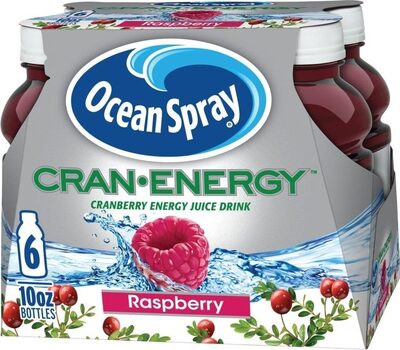 Ocean Spray Cranberries, Inc.
Cranberry Energy Juice Drink, Raspberry
14kcal
0Protein
0Fat
3.7Carbs
CLIF KID
Strawberry Organic Twisted Fruit Rope, Strawberry
350kcal
0Protein
0Fat
85Carbs
CLIF KID
Mango Mania Organic Twisted Fruit & Veggie Rope, Mango Mania
278kcal
0Protein
0Fat
83.3Carbs
CLIF BAR
Chocolate Brownie Energy Bars, Chocolate Brownie
368kcal
13.2Protein
7.3Fat
64.7Carbs
Ocean Spray Cranberries, Inc.
Cranberry Energy Juice Drink, Raspberry
14kcal
0Protein
0Fat
3.7Carbs
CLIF KID
Strawberry Organic Twisted Fruit Rope, Strawberry
350kcal
0Protein
0Fat
85Carbs
CLIF KID
Mango Mania Organic Twisted Fruit & Veggie Rope, Mango Mania
278kcal
0Protein
0Fat
83.3Carbs
CLIF BAR
Chocolate Brownie Energy Bars, Chocolate Brownie
368kcal
13.2Protein
7.3Fat
64.7Carbs