Wasabi Japonica
What is Wasabi Japonica?
Wasabi Japonica, commonly known as wasabi, is a plant in the Brassicaceae family, which also includes mustard and horseradish. The pungent green paste or powder is made from the rhizome (underground stem) of the wasabi plant, which is traditionally grated fresh.
Is Wasabi Japonica vegan?
Wasabi Japonica is not animal-derived. Products that contain it can still include other animal-derived ingredients, so check the full ingredient list.
Is Wasabi Japonica gluten-free?
It does not contain gluten.
Is Wasabi Japonica a major allergen?
Wasabi is not one of the nine FDA major allergens.
What is Wasabi Japonica used for?
Wasabi is primarily used as a flavoring agent to provide a sharp, spicy heat.
Is Wasabi Japonica safe?
Wasabi is generally recognized as safe (GRAS) by the FDA for use as a food ingredient.
Why it's used
Wasabi is primarily used as a flavoring agent to provide a sharp, spicy heat. It is a key component in Japanese cuisine, especially with sushi and sashimi, and is also found in snacks like seasoned peas and chips, as well as in sauces and marinades.
Health notes
Wasabi is generally recognized as safe (GRAS) by the FDA for use as a food ingredient. The compounds that give wasabi its pungency, such as allyl isothiocyanate, are being studied for potential health benefits, but research is ongoing. JECFA has evaluated wasabi and its extracts. No specific health concerns are associated with typical consumption levels.
Allergen info
Wasabi is not one of the nine FDA major allergens. It does not contain gluten.
Foods that contain Wasabi Japonica
Compare products →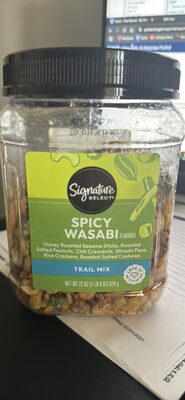 Safeway, Inc.
Spicy Wasabi Honey Roasted Sesame Sticks, Roasted Salted Peanuts, Chili Crescents, Wasabi Peas, Rice Crackers, Roasted Salted Cashews Trail Mix, Spicy Wasabi
500kcal
12.5Protein
28.1Fat
53.1Carbs
Gustus Vitae Condiments LLC
Wasabi Sea Salt
—kcal
0Protein
0Fat
0Carbs
RiceWrap Foods Corporation
Sushi Wasabi
222kcal
0Protein
0Fat
22.2Carbs
CIBO VITA INC
Wasabi Green Peas
400kcal
13.3Protein
83.3Fat
63.3Carbs
Paramount Foods, LLC
Wasabi Green Peas, Wasabi
400kcal
13.3Protein
8.3Fat
63.3Carbs
Wasabi Green Peas
400kcal
13.3Protein
8.3Fat
63.3Carbs
Safeway, Inc.
Spicy Wasabi Honey Roasted Sesame Sticks, Roasted Salted Peanuts, Chili Crescents, Wasabi Peas, Rice Crackers, Roasted Salted Cashews Trail Mix, Spicy Wasabi
500kcal
12.5Protein
28.1Fat
53.1Carbs
Gustus Vitae Condiments LLC
Wasabi Sea Salt
—kcal
0Protein
0Fat
0Carbs
RiceWrap Foods Corporation
Sushi Wasabi
222kcal
0Protein
0Fat
22.2Carbs
CIBO VITA INC
Wasabi Green Peas
400kcal
13.3Protein
83.3Fat
63.3Carbs
Paramount Foods, LLC
Wasabi Green Peas, Wasabi
400kcal
13.3Protein
8.3Fat
63.3Carbs
Wasabi Green Peas
400kcal
13.3Protein
8.3Fat
63.3Carbs
Learn more
Auto-generated content. This description was generated automatically and is pending editorial review. Inaccuracies are possible. Found a mistake? Contact us.