Wasabi Seasoning
Auto-generated content. This description was generated automatically and is pending editorial review. Inaccuracies are possible. Found a mistake? Contact us.
What it is
Wasabi seasoning is a blend designed to mimic the pungent, spicy flavor of real wasabi. It typically combines horseradish, mustard, cornstarch, and green food coloring. Real wasabi comes from the root of the *Wasabia japonica* plant, which is difficult to cultivate and expensive.
Why it's used
Manufacturers use wasabi seasoning to add a sharp, hot flavor to a variety of snack foods. It is commonly found in seasoned nuts, seeds, crackers, chips, and rice snacks. The blend provides a consistent and cost-effective way to achieve the characteristic wasabi taste.
Health notes
Wasabi seasoning itself is not a regulated ingredient with specific health claims. The primary components like horseradish and mustard are generally recognized as safe (GRAS) by the FDA when used as food ingredients. Some studies suggest compounds in horseradish and mustard may have antimicrobial properties, but more research is needed. Regulatory bodies like JECFA and EFSA have evaluated individual components of such seasonings, but not the specific 'wasabi seasoning' blend. Evidence on health benefits or risks at typical consumption levels is limited.
Allergen info
Not a major allergen. However, some wasabi seasonings may contain mustard, which is considered a priority allergen in some regions outside the US. Check product labels for specific ingredients.
Products containing Wasabi Seasoning
Compare products →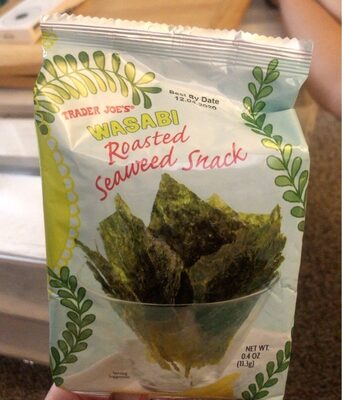 Eazypower Corporation
Roasted Seaweed Snack
600kcal
20Protein
40Fat
20Carbs
Grassland Food & Snacks, LLC
Wasabi Green Peas
429kcal
21.4Protein
10.7Fat
57.1Carbs
Nosher's Choice
Green Pea, Wasabi
429kcal
21.4Protein
10.7Fat
57.1Carbs
Mariani Nut Co.Inc.
Mariani Nut Company, California Almonds, Wasabi And Soy, Wasabi And Soy
536kcal
17.9Protein
50Fat
21.4Carbs
Ledagio, Ltd.
Kameda Crisp, Wasabi Savory Rice Snack
400kcal
6.7Protein
2.2Fat
90Carbs
Safeway, Inc.
Trail Mix, Spicy Wasabi
515kcal
12.1Protein
33.3Fat
48.5Carbs
Snack World, LLC
Delight Mix, Wasabi
483kcal
16.7Protein
30Fat
46.7Carbs
UTZ Quality Foods, LLC
Sweet & Spicy Happy Hour Snack Mix, Sweet & Spicy
458kcal
10.6Protein
17.6Fat
63.4Carbs
Snyder's-Lance, Inc.
Double Crunch Seasoned Cracker-Coated Peanuts, Hot Wasabi
559kcal
14.7Protein
38.2Fat
41.2Carbs
CVS Pharmacy, Inc.
Almonds, Wasabi Soy
600kcal
20Protein
53.3Fat
20Carbs
Eazypower Corporation
Roasted Seaweed Snack
600kcal
20Protein
40Fat
20Carbs
Grassland Food & Snacks, LLC
Wasabi Green Peas
429kcal
21.4Protein
10.7Fat
57.1Carbs
Nosher's Choice
Green Pea, Wasabi
429kcal
21.4Protein
10.7Fat
57.1Carbs
Mariani Nut Co.Inc.
Mariani Nut Company, California Almonds, Wasabi And Soy, Wasabi And Soy
536kcal
17.9Protein
50Fat
21.4Carbs
Ledagio, Ltd.
Kameda Crisp, Wasabi Savory Rice Snack
400kcal
6.7Protein
2.2Fat
90Carbs
Safeway, Inc.
Trail Mix, Spicy Wasabi
515kcal
12.1Protein
33.3Fat
48.5Carbs
Snack World, LLC
Delight Mix, Wasabi
483kcal
16.7Protein
30Fat
46.7Carbs
UTZ Quality Foods, LLC
Sweet & Spicy Happy Hour Snack Mix, Sweet & Spicy
458kcal
10.6Protein
17.6Fat
63.4Carbs
Snyder's-Lance, Inc.
Double Crunch Seasoned Cracker-Coated Peanuts, Hot Wasabi
559kcal
14.7Protein
38.2Fat
41.2Carbs
CVS Pharmacy, Inc.
Almonds, Wasabi Soy
600kcal
20Protein
53.3Fat
20Carbs