White Peppers
What is White Peppers?
White pepper is made from the dried, unripe berries of the Piper nigrum plant, the same plant that yields black pepper. The outer skin of the berry is removed through a soaking and rubbing process, leaving the inner seed. This results in a milder, less pungent flavor than black pepper, with a slightly different aroma.
Is White Peppers vegan?
White Peppers is not animal-derived. Products that contain it can still include other animal-derived ingredients, so check the full ingredient list.
Is White Peppers a major allergen?
Not a major allergen.
What is White Peppers used for?
White pepper is primarily used as a spice to add a subtle peppery flavor to foods.
Is White Peppers safe?
White pepper is generally recognized as safe (GRAS) by the FDA when used as a spice.
Why it's used
White pepper is primarily used as a spice to add a subtle peppery flavor to foods. It is often chosen over black pepper when a white or light color is desired in the finished dish, such as in white sauces, gravies, mashed potatoes, and lighter-colored soups. Manufacturers use it to provide a mild heat and distinct flavor without adding dark specks.
Health notes
White pepper is generally recognized as safe (GRAS) by the FDA when used as a spice. It is a common culinary ingredient with no significant health concerns associated with typical consumption levels. International bodies like JECFA have evaluated various pepper extracts and compounds, but specific evaluations for white pepper as a whole spice are not widely cited. Its primary contribution to the diet is flavor, not significant nutritional value.
Allergen info
Not a major allergen.
Foods that contain White Peppers
Compare products →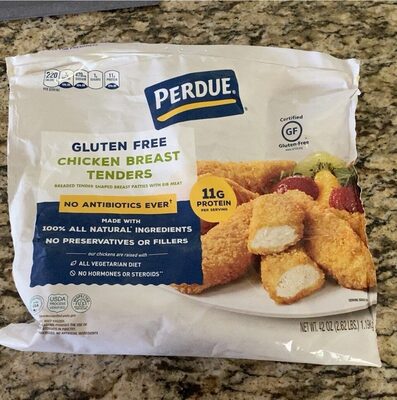 Perdue Farms Incorporated
Chicken Breast Tenders, Chicken
High in sodium — 20% DV per serving
116kcal
11.6Protein
13.7Fat
16.8Carbs
Axell Enterprises, Inc.
Roasted Shallot & Herb Cracker
308kcal
7.7Protein
9.6Fat
50Carbs
Pulmuone Foods USA, Inc.
Monterey Gourmet Foods, Ravioli, Five Cheese, Five Cheese
High in saturated fat — 35% DV per serving
High in cholesterol — 25% DV per serving
254kcal
13.2Protein
11.4Fat
23.7Carbs
Wegmans Food Markets, Inc.
Garlic Simmer Sauce
17kcal
0Protein
0Fat
3.3Carbs
Perdue Farms Incorporated
Chicken Breast Tenders, Chicken
High in sodium — 20% DV per serving
116kcal
11.6Protein
13.7Fat
16.8Carbs
Axell Enterprises, Inc.
Roasted Shallot & Herb Cracker
308kcal
7.7Protein
9.6Fat
50Carbs
Pulmuone Foods USA, Inc.
Monterey Gourmet Foods, Ravioli, Five Cheese, Five Cheese
High in saturated fat — 35% DV per serving
High in cholesterol — 25% DV per serving
254kcal
13.2Protein
11.4Fat
23.7Carbs
Wegmans Food Markets, Inc.
Garlic Simmer Sauce
17kcal
0Protein
0Fat
3.3Carbs
Learn more
Auto-generated content. This description was generated automatically and is pending editorial review. Inaccuracies are possible. Found a mistake? Contact us.