White Wine Salt
What is White Wine Salt?
White wine salt is a seasoning blend that includes salt and dried white wine. The wine is typically spray-dried onto the salt crystals, creating a powder that imparts a subtle wine flavor and aroma. It is used to add complexity to savory dishes.
Is White Wine Salt vegan?
White Wine Salt is not animal-derived. Products that contain it can still include other animal-derived ingredients, so check the full ingredient list.
Is White Wine Salt gluten-free?
It does not contain gluten.
Is White Wine Salt a major allergen?
White wine salt is not derived from any of the 9 major allergens.
What is White Wine Salt used for?
Manufacturers add white wine salt to provide a savory flavor with a hint of wine.
Is White Wine Salt safe?
White wine salt is primarily composed of salt (sodium chloride).
Why it's used
Manufacturers add white wine salt to provide a savory flavor with a hint of wine. It is often found in pasta dishes, sauces, marinades, and seasoned rice mixes. It can also be used as a finishing salt for roasted meats and vegetables.
Health notes
White wine salt is primarily composed of salt (sodium chloride). The Dietary Guidelines for Americans recommend limiting sodium intake to less than 2,300 mg per day. High sodium intake is associated with increased blood pressure in some individuals. The FDA has not set specific limits for white wine salt, but it falls under general salt regulations. No specific health concerns are linked to the small amounts of wine solids typically present.
Allergen info
White wine salt is not derived from any of the 9 major allergens. It does not contain gluten.
Foods that contain White Wine Salt
Compare products →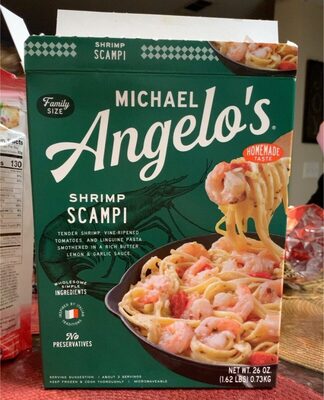 Michael Angelo's Gourmet Foods, Inc
Shrimp Scampi Pasta
High in saturated fat — 25% DV per serving
High in cholesterol — 25% DV per serving
150kcal
6.6Protein
4.4Fat
21.1Carbs
Save Mart Supermarkets Inc.
Tortelloni Italian Sausage, Tortelloni
287kcal
13.0Protein
6.1Fat
45.2Carbs
Avanza Pasta LLC
Medium Shrimp & Peppers Ravioli, Medium Shrimp & Peppers
204kcal
9.7Protein
4.0Fat
32.7Carbs
Michael Angelo's Gourmet Foods, Inc
Shrimp Scampi Pasta
High in saturated fat — 25% DV per serving
High in cholesterol — 25% DV per serving
150kcal
6.6Protein
4.4Fat
21.1Carbs
Save Mart Supermarkets Inc.
Tortelloni Italian Sausage, Tortelloni
287kcal
13.0Protein
6.1Fat
45.2Carbs
Avanza Pasta LLC
Medium Shrimp & Peppers Ravioli, Medium Shrimp & Peppers
204kcal
9.7Protein
4.0Fat
32.7Carbs
Learn more
Auto-generated content. This description was generated automatically and is pending editorial review. Inaccuracies are possible. Found a mistake? Contact us.