Wine
Auto-generated content. This description was generated automatically and is pending editorial review. Inaccuracies are possible. Found a mistake? Contact us.
What it is
Wine is an alcoholic beverage made from fermented grapes. The natural sugars in the grapes are converted into alcohol by yeast. Different grape varieties, growing conditions, and winemaking processes result in a wide range of wine styles and flavors.
Why it's used
Wine is primarily consumed as a beverage, but it is also used as a flavoring ingredient in cooking. It adds depth and complexity to sauces, marinades, stews, and desserts. Manufacturers also use it in some seasoning mixes and ready-made meals.
Health notes
In the US, wine is regulated as an alcoholic beverage. Moderate consumption of alcohol, including wine, has been linked to potential cardiovascular benefits by some studies, but excessive intake is associated with numerous health risks. The World Health Organization (WHO) and the International Agency for Research on Cancer (IARC) classify alcohol as a Group 1 carcinogen, meaning there is sufficient evidence that it causes cancer in humans. Regulatory bodies like the FDA do not set specific intake limits for wine itself, but guidelines on alcohol consumption exist.
Allergen info
Wine is not a major allergen. It is derived from grapes, which are not among the nine FDA major allergens. Gluten is typically not present in wine, though fining agents used in production could potentially be derived from allergens.
Products containing Wine
Compare products →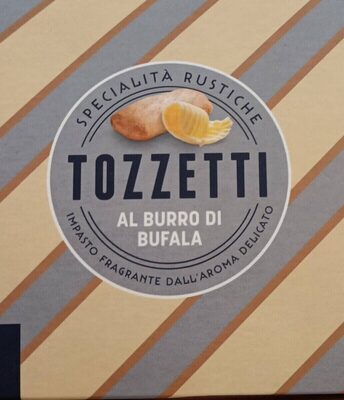 CASAMADAIO
Casamadaio, Tozzetti
442kcal
8.8Protein
15.1Fat
64.9Carbs
CARANDO
Genoa Salami And Mozzarella Charcuterie Sticks
333kcal
22.2Protein
25Fat
0Carbs
GOLDEN DELIGHT
Potstickers Vegetable
152kcal
5.4Protein
1.1Fat
29.4Carbs
OREGON TRAIL
Beef Jerky
179kcal
28.6Protein
3.6Fat
7.1Carbs
DELAMARIS
Mackerel Salad
160kcal
12Protein
11.2Fat
3.2Carbs
MARC ANGELO
Chicken Breast Roast With White Wine & Herbs Cooking Sauce
98kcal
15.2Protein
2.2Fat
2.7Carbs
DAILY'S
Cocktails, Peach On The Beach
93kcal
0Protein
0Fat
16Carbs
DAILY'S
Frozen Bahama Mama
93kcal
0Protein
0Fat
16Carbs
CASAMADAIO
Casamadaio, Tozzetti
442kcal
8.8Protein
15.1Fat
64.9Carbs
CARANDO
Genoa Salami And Mozzarella Charcuterie Sticks
333kcal
22.2Protein
25Fat
0Carbs
GOLDEN DELIGHT
Potstickers Vegetable
152kcal
5.4Protein
1.1Fat
29.4Carbs
OREGON TRAIL
Beef Jerky
179kcal
28.6Protein
3.6Fat
7.1Carbs
DELAMARIS
Mackerel Salad
160kcal
12Protein
11.2Fat
3.2Carbs
MARC ANGELO
Chicken Breast Roast With White Wine & Herbs Cooking Sauce
98kcal
15.2Protein
2.2Fat
2.7Carbs
DAILY'S
Cocktails, Peach On The Beach
93kcal
0Protein
0Fat
16Carbs
DAILY'S
Frozen Bahama Mama
93kcal
0Protein
0Fat
16Carbs