Worcestershire
What is Worcestershire?
Worcestershire sauce is a fermented liquid condiment. It is traditionally made from a base of vinegar, molasses, sugar, salt, anchovies, tamarind extract, onion, garlic, and spices. The ingredients are combined and allowed to ferment for a long period, which develops its complex, savory flavor.
Is Worcestershire vegan?
No. Worcestershire is animal-derived, so it is not vegan.
Is Worcestershire a major allergen?
Worcestershire sauce contains anchovies, which are a fish allergen.
What is Worcestershire used for?
Manufacturers add Worcestershire sauce to provide a deep, umami, and slightly tangy flavor profile.
Is Worcestershire safe?
Worcestershire sauce is generally recognized as safe (GRAS) by the FDA when used as a food ingredient.
Why it's used
Manufacturers add Worcestershire sauce to provide a deep, umami, and slightly tangy flavor profile. It is commonly used in marinades, salad dressings, stews, and as a table condiment for meats and vegetables. It can also be found in some processed snacks and savory dishes.
Health notes
Worcestershire sauce is generally recognized as safe (GRAS) by the FDA when used as a food ingredient. It contains ingredients like anchovies, which are a source of fish allergens. JECFA has evaluated Worcestershire sauce and found no safety concerns at typical consumption levels. Due to its salt content, excessive consumption could contribute to high sodium intake.
Allergen info
Worcestershire sauce contains anchovies, which are a fish allergen. It may also contain other allergens depending on the specific recipe.
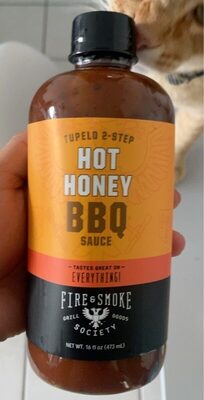
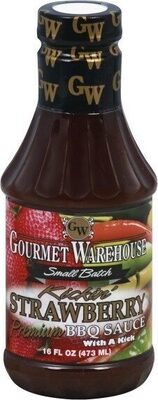
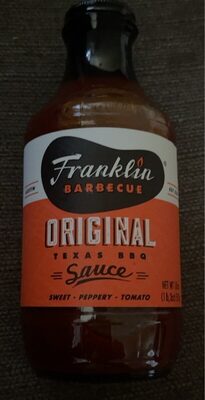
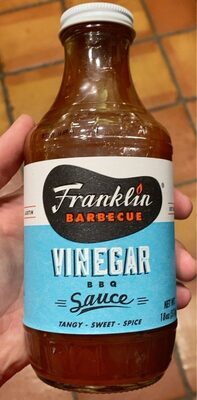
Foods that contain Worcestershire
Compare products →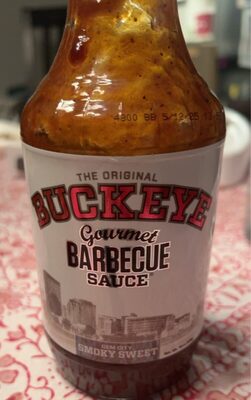
Learn more
Auto-generated content. This description was generated automatically and is pending editorial review. Inaccuracies are possible. Found a mistake? Contact us.