Yeast Extract1
What is Yeast Extract1?
Yeast extract is made from yeast cells that have been broken down. This process releases the natural flavors and savory compounds from the yeast. It is often used to add a rich, umami taste to foods.
Is Yeast Extract1 vegan?
Yeast Extract1 is not animal-derived. Products that contain it can still include other animal-derived ingredients, so check the full ingredient list.
Is Yeast Extract1 gluten-free?
It does not contain gluten.
Is Yeast Extract1 a major allergen?
Yeast extract is not derived from any of the nine major allergens.
What is Yeast Extract1 used for?
Manufacturers use yeast extract to enhance the savory flavor of foods, providing a natural umami taste.
Is Yeast Extract1 safe?
In the US, yeast extract is generally recognized as safe (GRAS) by the FDA.
Why it's used
Manufacturers use yeast extract to enhance the savory flavor of foods, providing a natural umami taste. It can also add a meaty or brothy note. You'll find it in many processed foods, including soups, sauces, snacks, and frozen meals.
Health notes
In the US, yeast extract is generally recognized as safe (GRAS) by the FDA. It is not a significant source of sodium, though it does contain some naturally occurring glutamates. International bodies like JECFA and EFSA have evaluated yeast extract and found it safe for consumption. Evidence does not link typical intake of yeast extract to adverse health effects.
Allergen info
Yeast extract is not derived from any of the nine major allergens. It does not contain gluten.
Foods that contain Yeast Extract1
Compare products →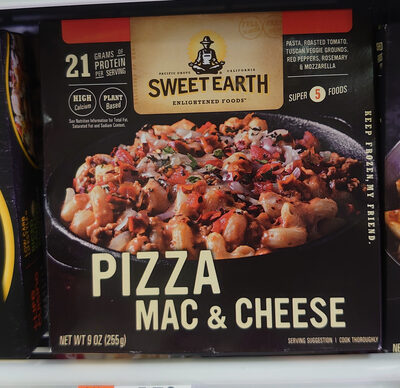
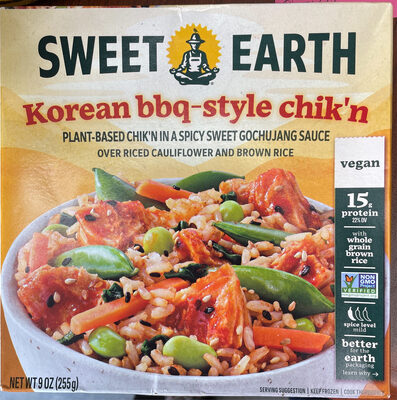
Learn more
Auto-generated content. This description was generated automatically and is pending editorial review. Inaccuracies are possible. Found a mistake? Contact us.