Yellow #6 Aluminum Lake
What is Yellow #6 Aluminum Lake?
Yellow #6 Aluminum Lake is a synthetic color additive. It is made by combining the water-soluble dye Yellow #6 with an aluminum hydroxide base, forming an insoluble pigment. This process creates a "lake" pigment, which provides color without dissolving.
Is Yellow #6 Aluminum Lake vegan?
Yellow #6 Aluminum Lake is not animal-derived. Products that contain it can still include other animal-derived ingredients, so check the full ingredient list.
Is Yellow #6 Aluminum Lake a major allergen?
Not a major allergen.
What is Yellow #6 Aluminum Lake used for?
Manufacturers add Yellow #6 Aluminum Lake to provide a yellow-orange color to foods.
Is Yellow #6 Aluminum Lake safe?
Yellow #6 Aluminum Lake is an FDA-approved color additive for use in food.
Why it's used
Manufacturers add Yellow #6 Aluminum Lake to provide a yellow-orange color to foods. Because it is insoluble, it is often used in products where the color needs to stay put, such as in coatings, dry mixes, and fat-based products. It is commonly found in snacks, baked goods, and candies.
Health notes
Yellow #6 Aluminum Lake is an FDA-approved color additive for use in food. The parent dye, Yellow #6 (also known as Sunset Yellow FCF), has been evaluated by JECFA, which has set an acceptable daily intake. EFSA has also evaluated Sunset Yellow FCF. In April 2025, the FDA announced a plan to phase out petroleum-based synthetic dyes, including Yellow #6. Some studies have suggested a possible link between synthetic food dyes and hyperactivity in some children, though evidence is mixed, and regulatory bodies generally consider them safe at permitted levels.
Allergen info
Not a major allergen.
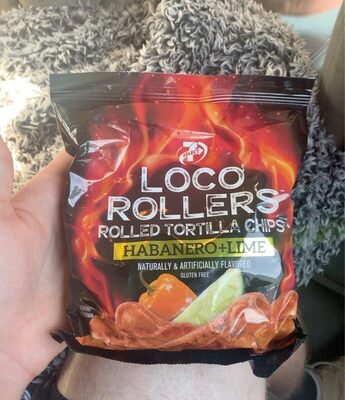
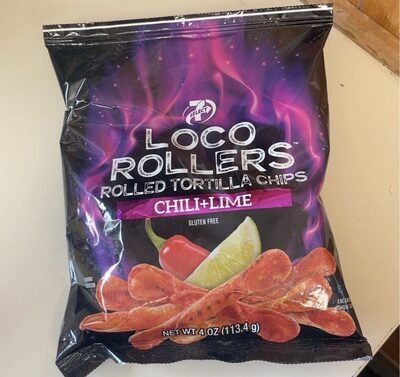
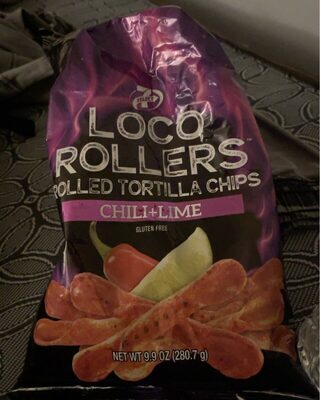
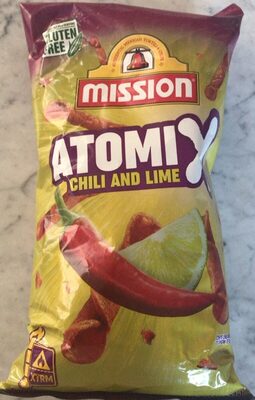
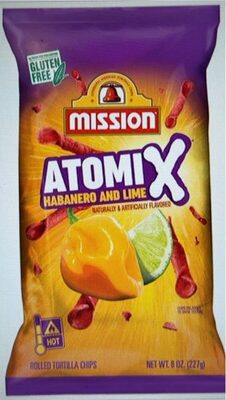
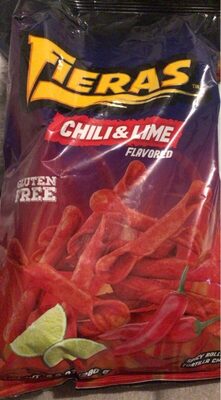
Foods that contain Yellow #6 Aluminum Lake
Compare products →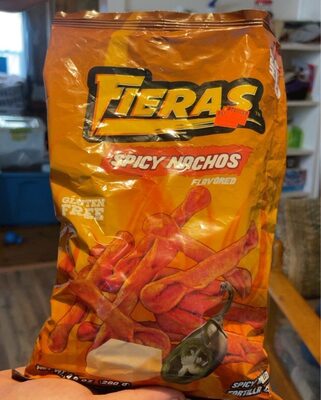
Learn more
Auto-generated content. This description was generated automatically and is pending editorial review. Inaccuracies are possible. Found a mistake? Contact us.