Yellow Papaya
What is Yellow Papaya?
Yellow papaya is a variety of the papaya fruit, known for its sweet flavor and vibrant yellow flesh. It grows on the Carica papaya tree, native to tropical regions of the Americas. The fruit is typically eaten fresh, but can also be processed for use in various food products.
Is Yellow Papaya vegan?
Yellow Papaya is not animal-derived. Products that contain it can still include other animal-derived ingredients, so check the full ingredient list.
Is Yellow Papaya gluten-free?
It does not contain gluten.
Is Yellow Papaya a major allergen?
Papaya is not one of the nine major allergens recognized by the FDA.
What is Yellow Papaya used for?
Yellow papaya is used as a flavoring and coloring agent in foods.
Is Yellow Papaya safe?
Yellow papaya is generally recognized as safe (GRAS) by the FDA for use as a food ingredient.
Why it's used
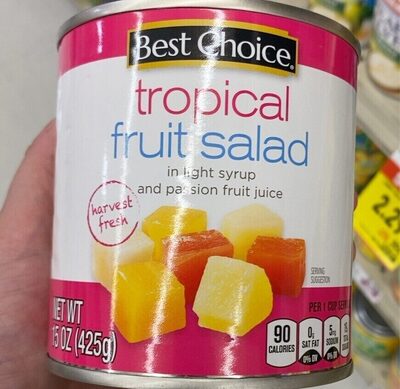
Yellow papaya is used as a flavoring and coloring agent in foods. Its natural sweetness and tropical taste make it a popular addition to fruit salads, juices, yogurts, and desserts. It can also be used as a thickening agent in jams and jellies.
Health notes
Yellow papaya is generally recognized as safe (GRAS) by the FDA for use as a food ingredient. It is a good source of vitamins A and C, and dietary fiber. JECFA and EFSA have evaluated papaya and its components, generally finding them safe for consumption. No specific regulatory limits have been set for typical dietary intake.
Allergen info
Papaya is not one of the nine major allergens recognized by the FDA. It does not contain gluten.
Foods that contain Yellow Papaya
Compare products →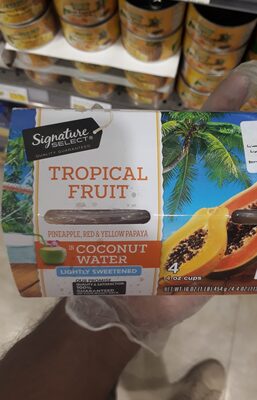

Auto-generated content. This description was generated automatically and is pending editorial review. Inaccuracies are possible. Found a mistake? Contact us.