100% Minnesota Cultivated Wild Rice
What is 100% Minnesota Cultivated Wild Rice?
Wild rice is not true rice but the seed of an aquatic grass native to North America. Minnesota cultivated wild rice is grown in controlled paddies, similar to rice cultivation. After harvesting, it is typically dried and sometimes milled to remove the hull.
Is 100% Minnesota Cultivated Wild Rice vegan?
100% Minnesota Cultivated Wild Rice is not animal-derived. Products that contain it can still include other animal-derived ingredients, so check the full ingredient list.
Is 100% Minnesota Cultivated Wild Rice gluten-free?
It does not contain gluten.
Is 100% Minnesota Cultivated Wild Rice a major allergen?
Wild rice is not a major allergen.
What is 100% Minnesota Cultivated Wild Rice used for?
Wild rice is used as a grain or side dish, often mixed with other rices.
Is 100% Minnesota Cultivated Wild Rice safe?
Wild rice is a source of fiber, protein, and minerals.
Why it's used
Wild rice is used as a grain or side dish, often mixed with other rices. It adds a nutty flavor and chewy texture to dishes. Manufacturers use it in soups, salads, casseroles, and as a stuffing.
Health notes
Wild rice is a source of fiber, protein, and minerals. It is generally recognized as safe (GRAS) by the FDA. JECFA has evaluated wild rice and found no safety concerns. It is not associated with significant health controversies.
Allergen info
Wild rice is not a major allergen. It does not contain gluten.
Foods that contain 100% Minnesota Cultivated Wild Rice
Compare products →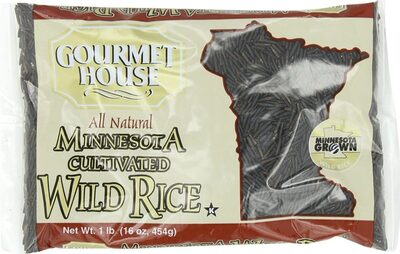
Learn more
Auto-generated content. This description was generated automatically and is pending editorial review. Inaccuracies are possible. Found a mistake? Contact us.