Rice Flour
What is Rice Flour?
Rice flour is a type of flour made by finely grinding rice grains. It can be produced from either white rice or brown rice, which affects its color, texture, and nutritional content.
Is Rice Flour vegan?
Rice Flour is not animal-derived. Products that contain it can still include other animal-derived ingredients, so check the full ingredient list.
Is Rice Flour gluten-free?
It is naturally gluten-free.
Is Rice Flour a major allergen?
Rice flour is not a major allergen according to FDA regulations.
What is Rice Flour used for?
Manufacturers use rice flour as a gluten-free alternative to wheat flour in many products, making it suitable for individuals with gluten sensitivities.
Is Rice Flour safe?
Rice flour is a common food ingredient and is generally recognized as safe (GRAS) for its intended uses.
Why it's used
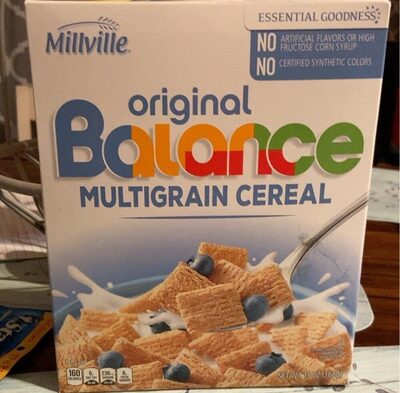
Manufacturers use rice flour as a gluten-free alternative to wheat flour in many products, making it suitable for individuals with gluten sensitivities. It also functions as a thickener, binder, and can contribute to the crispiness or texture of foods. It is commonly found in snack foods, baked goods, and breakfast cereals.
Health notes
Rice flour is a common food ingredient and is generally recognized as safe (GRAS) for its intended uses. It is widely consumed as a staple food and as an ingredient in various processed foods. There are no known adverse health effects associated with typical consumption of rice flour. As a basic food ingredient, it is not typically evaluated by bodies like JECFA or EFSA as a food additive.
Allergen info
Rice flour is not a major allergen according to FDA regulations. It is naturally gluten-free.
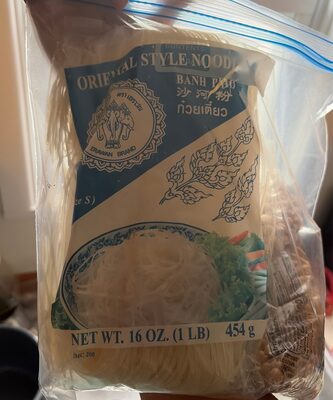
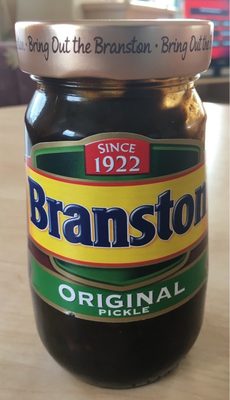
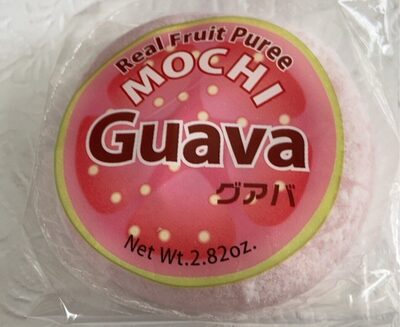
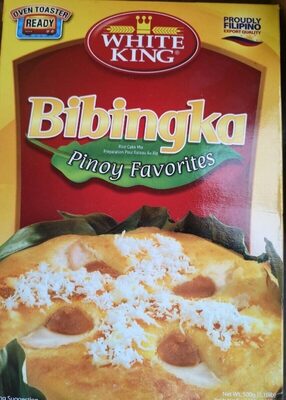
Foods that contain Rice Flour
Compare products →
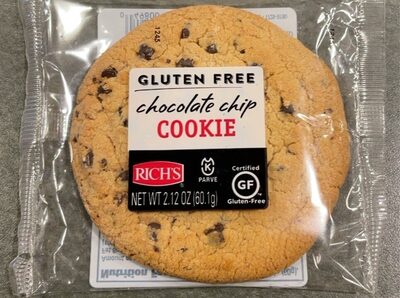
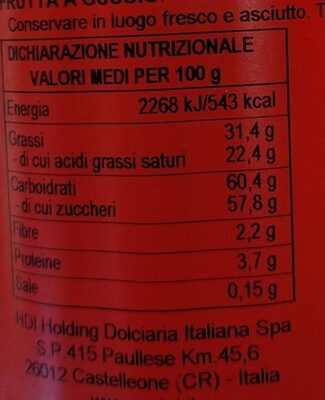
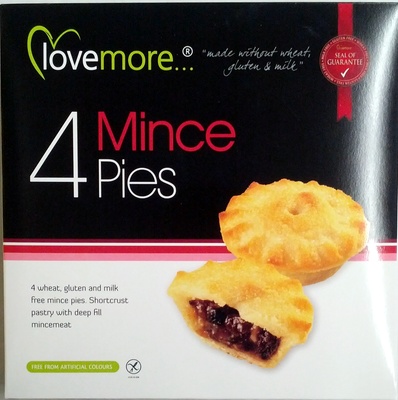
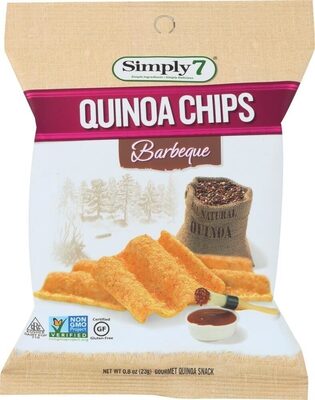
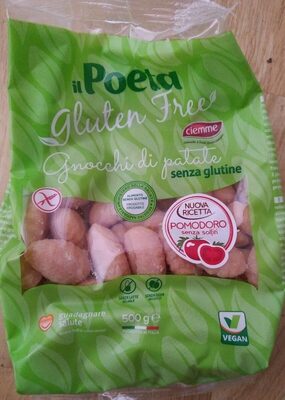

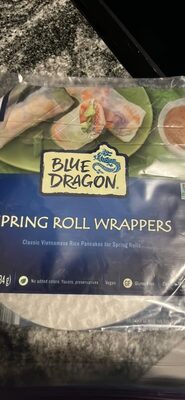
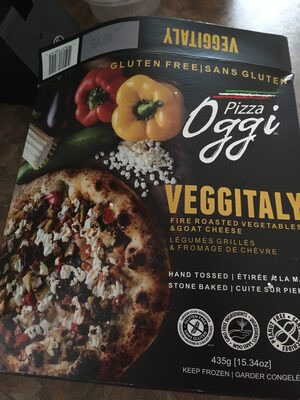
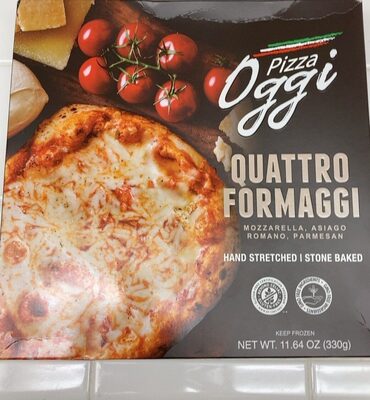
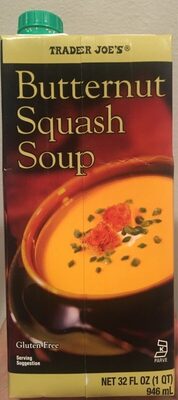
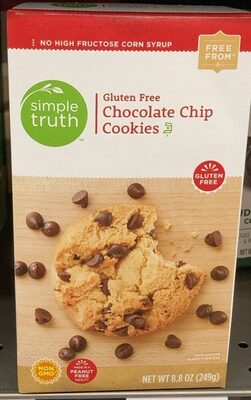
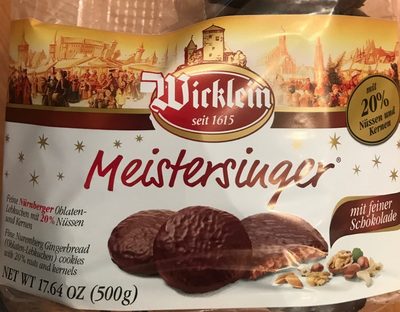

Learn more
Auto-generated content. This description was generated automatically and is pending editorial review. Inaccuracies are possible. Found a mistake? Contact us.