Corn
Auto-generated content. This description was generated automatically and is pending editorial review. Inaccuracies are possible. Found a mistake? Contact us.
What it is
Corn is a widely cultivated cereal grain that originated in Mexico. It is botanically a fruit but is often used culinarily as a vegetable or grain. It can be consumed whole, on the cob, or processed into various forms like flour, starch, oil, and syrup.
Why it's used
Manufacturers add corn for its versatility as a food ingredient, providing texture, flavor, and nutritional value. It is used as a vegetable, a grain, a source of starch for thickening and binding, and a source of sweeteners like corn syrup. You can find it in cereals, snack foods, baked goods, and as a side dish.
Health notes
Corn and its derivatives, such as corn starch and corn syrup, are generally recognized as safe (GRAS) by the FDA for their intended uses in food. As a whole grain or vegetable, corn is a source of dietary fiber, vitamins, and minerals. While some individuals may have a corn allergy, it is not classified as one of the nine major food allergens by the FDA. Genetically modified (GM) corn varieties are common; regulatory bodies like the FDA and organizations like the World Health Organization (WHO) have concluded that approved GM foods are safe to eat. High-fructose corn syrup (HFCS), a sweetener derived from corn, is considered safe by the FDA when consumed in moderation, similar to other caloric sweeteners.
Allergen info
Not a major allergen.
Products containing Corn
Compare products →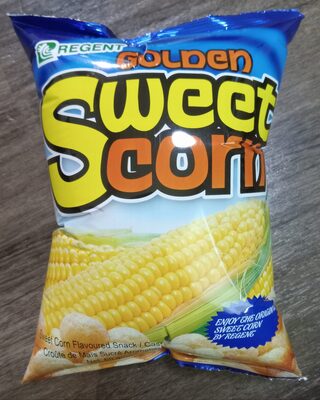 REGENT
Golden Sweet Corn
High in saturated fat — 30% DV per serving
500kcal
6.7Protein
23.3Fat
66.7Carbs
SPARTAN
Condensed Soup
High in sodium — 37% DV per serving
72kcal
3.2Protein
1.6Fat
10.4Carbs
REGENT
Golden Sweet Corn
High in saturated fat — 30% DV per serving
500kcal
6.7Protein
23.3Fat
66.7Carbs
SPARTAN
Condensed Soup
High in sodium — 37% DV per serving
72kcal
3.2Protein
1.6Fat
10.4Carbs