A Nonnutritive Sweetener
Auto-generated content. This description was generated automatically and is pending editorial review. Inaccuracies are possible. Found a mistake? Contact us.
What it is
A nonnutritive sweetener is a substance that provides sweetness with very few or no calories. It can be synthesized or derived from natural sources. These sweeteners are often many times sweeter than sugar, so only small amounts are needed.
Why it's used
Manufacturers use nonnutritive sweeteners to reduce the calorie content of foods and beverages while maintaining a sweet taste. They are commonly found in products like sugar-free candies, diet sodas, jams, jellies, and baked goods.
Health notes
In the US, many nonnutritive sweeteners are affirmed as Generally Recognized As Safe (GRAS) by the FDA or approved as food additives. Regulatory bodies like the Joint FAO/WHO Expert Committee on Food Additives (JECFA) and the European Food Safety Authority (EFSA) have evaluated several of these sweeteners. Research on the long-term health effects of nonnutritive sweeteners is ongoing, with some studies suggesting potential impacts on gut microbiota and glucose tolerance, while others show no significant effects at typical consumption levels.
Allergen info
Nonnutritive sweeteners are not derived from any of the 9 FDA major allergens. They also do not contain gluten.
Products containing A Nonnutritive Sweetener
Compare products →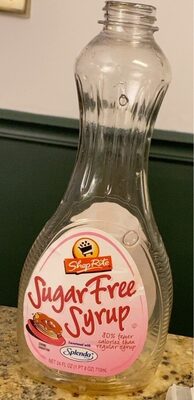 Wakefern Food Corporation
Shoprite, Sugar Free Syrup
58kcal
0Protein
0Fat
18.3Carbs
Nash Finch Company
Strawberry Preserves, Strawberry
59kcal
0Protein
0Fat
29.4Carbs
Wakefern Food Corporation
Shoprite, Sugar Free Syrup
58kcal
0Protein
0Fat
18.3Carbs
Nash Finch Company
Strawberry Preserves, Strawberry
59kcal
0Protein
0Fat
29.4Carbs
 Wal-Mart Stores, Inc.
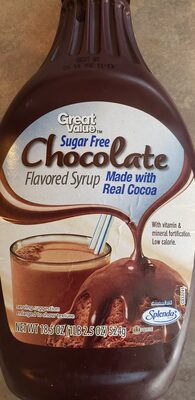
Chocolate Flavored Sugar Free Low Calorie Syrup, Chocolate
47kcal
3.1Protein
0Fat
12.5Carbs
Ahold USA, Inc.
Sugar Free Raspberry Preserves, Raspberry
59kcal
0Protein
0Fat
29.4Carbs
Ahold USA, Inc.
Seedless Blackberry Preserves, Blackberry
59kcal
0Protein
0Fat
23.5Carbs
Wal-Mart Stores, Inc.
Chocolate Flavored Sugar Free Low Calorie Syrup, Chocolate
47kcal
3.1Protein
0Fat
12.5Carbs
Ahold USA, Inc.
Sugar Free Raspberry Preserves, Raspberry
59kcal
0Protein
0Fat
29.4Carbs
Ahold USA, Inc.
Seedless Blackberry Preserves, Blackberry
59kcal
0Protein
0Fat
23.5Carbs