Polydextrose
What is Polydextrose?
Polydextrose is a soluble fiber made from glucose. It is produced by heating a mixture of dextrose (glucose), sorbitol, and citric acid. The resulting product is a complex carbohydrate that is not easily digested by the human body.
Is Polydextrose vegan?
Polydextrose is not animal-derived. Products that contain it can still include other animal-derived ingredients, so check the full ingredient list.
Is Polydextrose gluten-free?
It does not contain gluten.
Is Polydextrose a major allergen?
Polydextrose is not derived from any of the nine FDA major allergens.
What is Polydextrose used for?
Polydextrose is used as a bulking agent, a sugar substitute, and a source of dietary fiber.
Is Polydextrose safe?
In the U.S., polydextrose is Generally Recognized As Safe (GRAS) by the FDA for use in food.
Why it's used
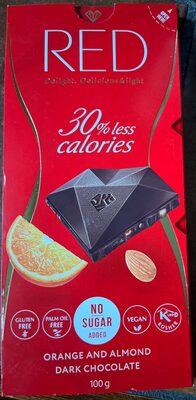
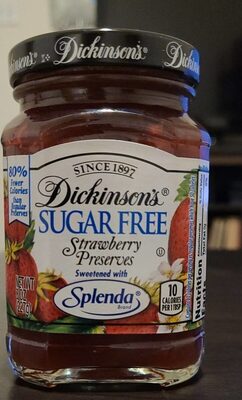
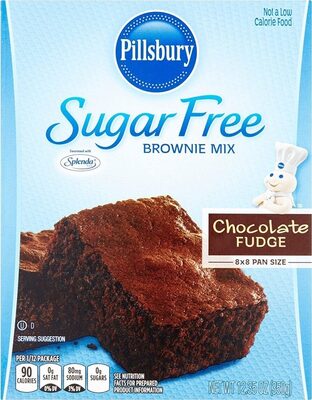
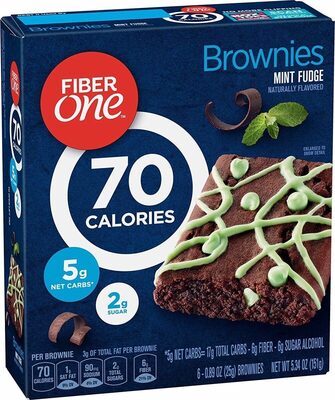
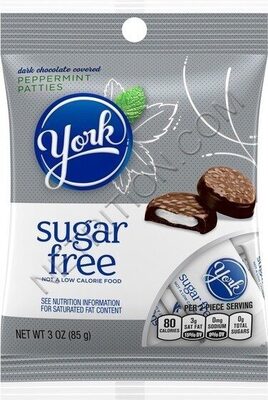
Polydextrose is used as a bulking agent, a sugar substitute, and a source of dietary fiber. It can provide a sweet taste and a smooth texture in foods. It is often found in sugar-free and reduced-calorie products like baked goods, candies, and beverages.
Health notes
In the U.S., polydextrose is Generally Recognized As Safe (GRAS) by the FDA for use in food. It is often used to increase fiber content. Some people may experience mild digestive discomfort, such as gas or bloating, if they consume large amounts. Both JECFA and EFSA have evaluated polydextrose and found it to be safe for consumption.
Allergen info
Polydextrose is not derived from any of the nine FDA major allergens. It does not contain gluten.
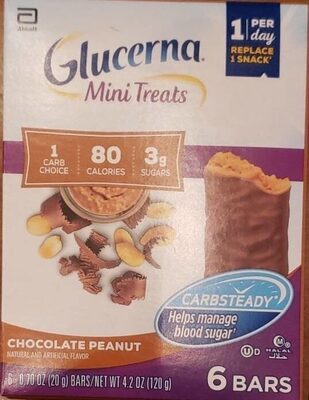
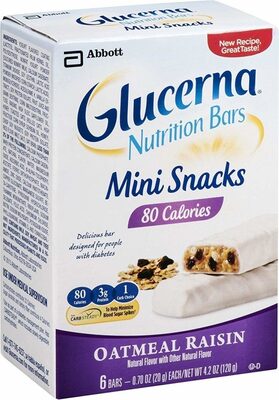
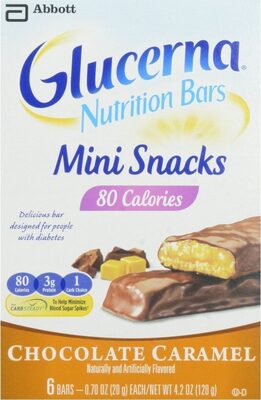
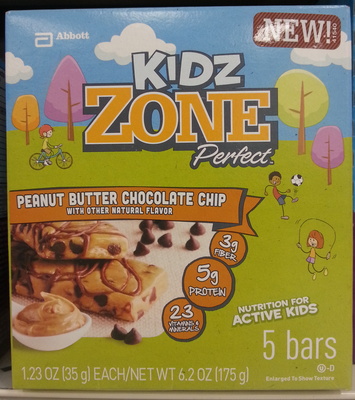
Foods that contain Polydextrose
Compare products →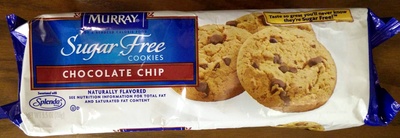 Kellogg Company US
Murray Sugar Free Cookies Chocolate Chip 5.5oz
475kcal
4.9Protein
27Fat
64.1Carbs

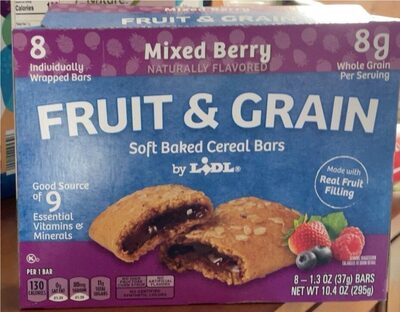
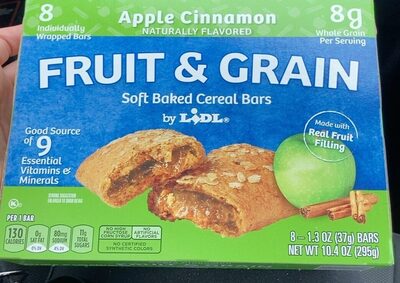
 LIDL
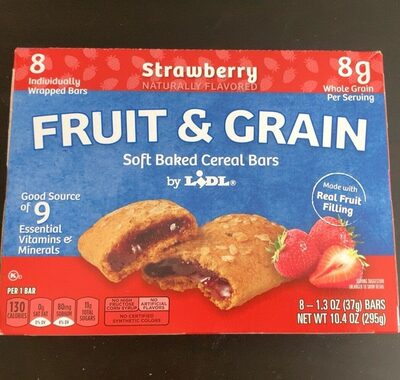
Strawberry Fruit & Grain Soft Baked Cereal Bars, Strawberry
324kcal
2.7Protein
8.1Fat
64.9Carbs



Learn more
Auto-generated content. This description was generated automatically and is pending editorial review. Inaccuracies are possible. Found a mistake? Contact us.