Acacia & Xanthan Gums
What is Acacia & Xanthan Gums?
Acacia gum, also known as gum arabic, is a natural gum made from the hardened sap of acacia trees. Xanthan gum is a polysaccharide produced by the fermentation of sugars by the bacterium Xanthomonas campestris.
Is Acacia & Xanthan Gums vegan?
Acacia & Xanthan Gums is not animal-derived. Products that contain it can still include other animal-derived ingredients, so check the full ingredient list.
Is Acacia & Xanthan Gums gluten-free?
They are also gluten-free.
Is Acacia & Xanthan Gums a major allergen?
Not a major allergen.
What is Acacia & Xanthan Gums used for?
These gums are often used as thickeners and stabilizers in food products.
Is Acacia & Xanthan Gums safe?
Both acacia gum and xanthan gum are generally recognized as safe (GRAS) by the FDA.
Why it's used
These gums are often used as thickeners and stabilizers in food products. They help to prevent ingredients from separating and improve the texture and consistency of foods like salad dressings and sauces.
Health notes
Both acacia gum and xanthan gum are generally recognized as safe (GRAS) by the FDA. They are considered dietary fibers and may have some benefits for gut health. International bodies like JECFA and EFSA have evaluated these gums, and they are approved for use in many countries. Evidence does not suggest significant health concerns at typical consumption levels.
Allergen info
Not a major allergen. Neither gum is derived from any of the 9 FDA major allergens. They are also gluten-free.
Foods that contain Acacia & Xanthan Gums
Compare products →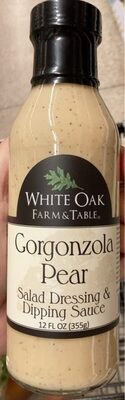 WHITE OAK FARM & TABLE
Salad Dressing, Gorgonzola Pear
250kcal
3.6Protein
21.4Fat
10.7Carbs
WHITE OAK FARM & TABLE
Salad Dressing, Gorgonzola Pear
250kcal
3.6Protein
21.4Fat
10.7Carbs
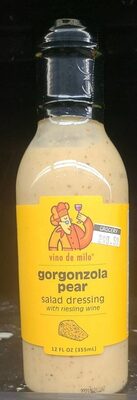 Milo's Whole World Gourmet, LLC
Gorgonzola Pear Dressing With Riesling Wine, Gorgonzola Pear
233kcal
3.3Protein
20Fat
10Carbs
Milo's Whole World Gourmet, LLC
Gorgonzola Pear Dressing With Riesling Wine, Gorgonzola Pear
233kcal
3.3Protein
20Fat
10Carbs
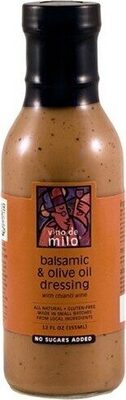 Milo's Whole World Gourmet, LLC
Balsamic & Olive Oil Dressing With Chianti Wine, Balsamic & Olive Oil
200kcal
0Protein
20Fat
3.3Carbs
Milo's Whole World Gourmet, LLC
Balsamic & Olive Oil Dressing With Chianti Wine, Balsamic & Olive Oil
200kcal
0Protein
20Fat
3.3Carbs
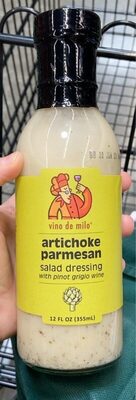 Milo's Whole World Gourmet, LLC
Artichoke Parmesan Dressing With Pinot Grigio Wine, Artichoke Parmesan
117kcal
3.3Protein
10Fat
3.3Carbs
Renee Dumarr, Inc.
White Oak Farm & Table, Salad Dressing, Artichoke & Parmesan, Artichoke & Parmesan
71kcal
3.6Protein
5.4Fat
3.6Carbs
Milo's Whole World Gourmet, LLC
Artichoke Parmesan Dressing With Pinot Grigio Wine, Artichoke Parmesan
117kcal
3.3Protein
10Fat
3.3Carbs
Renee Dumarr, Inc.
White Oak Farm & Table, Salad Dressing, Artichoke & Parmesan, Artichoke & Parmesan
71kcal
3.6Protein
5.4Fat
3.6Carbs
Learn more
Auto-generated content. This description was generated automatically and is pending editorial review. Inaccuracies are possible. Found a mistake? Contact us.