Cellulose Gum
What is Cellulose Gum?
Cellulose gum, also known as carboxymethylcellulose (CMC), is a modified form of cellulose. It is derived from plant sources, such as wood pulp or cotton, through a chemical process that changes its structure.
Is Cellulose Gum vegan?
Cellulose Gum is not animal-derived. Products that contain it can still include other animal-derived ingredients, so check the full ingredient list.
Is Cellulose Gum a major allergen?
Not a major allergen.
What is Cellulose Gum used for?
Manufacturers add cellulose gum to foods as a thickener, stabilizer, and emulsifier.
Is Cellulose Gum safe?
Cellulose gum is an FDA-approved food additive.
Why it's used
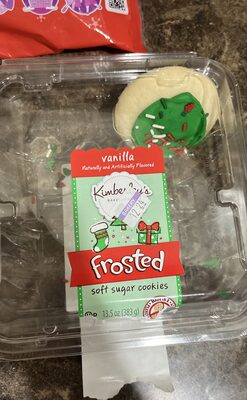
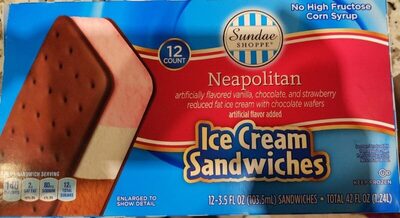
Manufacturers add cellulose gum to foods as a thickener, stabilizer, and emulsifier. It helps prevent ice crystals in frozen desserts, thickens sauces, and binds ingredients in baked goods. It is commonly found in ice cream, powdered drinks, cookies, and salad dressings.
Health notes
Cellulose gum is an FDA-approved food additive. It is generally recognized as safe when consumed at typical levels. JECFA has evaluated cellulose gum and did not set a numeric acceptable daily intake (ADI not specified), concluding that it is safe at levels used in food. Some studies suggest that high intakes of certain cellulose derivatives might affect gut microbiota, but evidence is mixed and more research in humans is needed to fully understand these potential effects.
Allergen info
Not a major allergen.
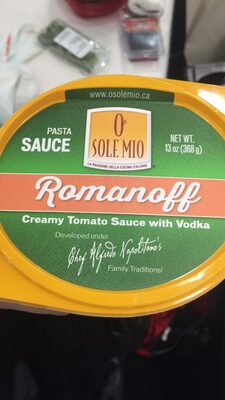
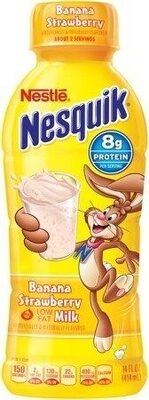
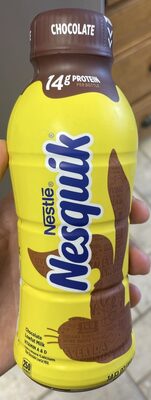
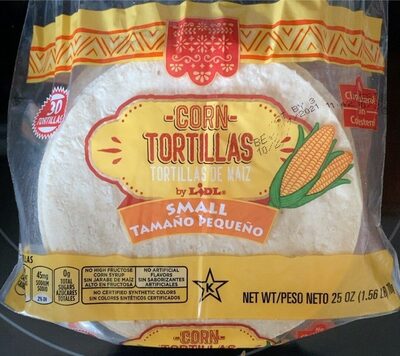
Foods that contain Cellulose Gum
Compare products →













Learn more
Auto-generated content. This description was generated automatically and is pending editorial review. Inaccuracies are possible. Found a mistake? Contact us.