Aged Pepper Mash
What is Aged Pepper Mash?
Aged pepper mash is a fermented mixture of ground peppers, salt, and water. The aging process, often lasting months or even years, develops a complex, tangy flavor and aroma. It is a foundational ingredient for many hot sauces and condiments.
Is Aged Pepper Mash vegan?
Aged Pepper Mash is not animal-derived. Products that contain it can still include other animal-derived ingredients, so check the full ingredient list.
Is Aged Pepper Mash a major allergen?
Not a major allergen.
What is Aged Pepper Mash used for?
Manufacturers use aged pepper mash primarily to add a distinctive spicy flavor and a tangy, fermented taste to foods.
Is Aged Pepper Mash safe?
Aged pepper mash is generally recognized as safe (GRAS) by the FDA when used as a food ingredient.
Why it's used
Manufacturers use aged pepper mash primarily to add a distinctive spicy flavor and a tangy, fermented taste to foods. It is a key component in hot sauces, barbecue sauces, and other savory condiments, contributing to their depth of flavor and heat.
Health notes
Aged pepper mash is generally recognized as safe (GRAS) by the FDA when used as a food ingredient. Fermentation can produce beneficial compounds, but high sodium content from the salt used in the process is a consideration. The WHO/IARC has not classified aged pepper mash. Evidence regarding specific health effects at typical consumption levels is limited.
Allergen info
Not a major allergen. Peppers are botanically fruits and do not belong to the major allergen groups.
Foods that contain Aged Pepper Mash
Compare products →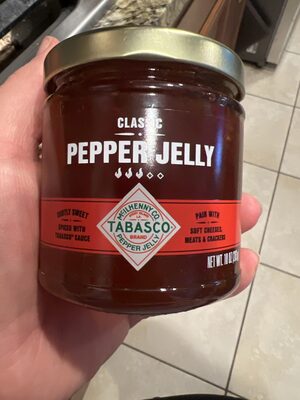
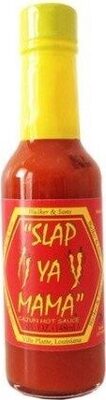
Learn more
Auto-generated content. This description was generated automatically and is pending editorial review. Inaccuracies are possible. Found a mistake? Contact us.