Alkalized Organic Cocoa
What is Alkalized Organic Cocoa?
Cocoa powder that has been treated with an alkaline solution to reduce its acidity. This process, also known as Dutch processing, darkens the color and mellows the flavor of the cocoa. It is made from cocoa beans, the seeds of the cacao tree.
Is Alkalized Organic Cocoa vegan?
Alkalized Organic Cocoa is not animal-derived. Products that contain it can still include other animal-derived ingredients, so check the full ingredient list.
Is Alkalized Organic Cocoa gluten-free?
It does not contain gluten.
Is Alkalized Organic Cocoa a major allergen?
Cocoa itself is not one of the 9 major allergens.
What is Alkalized Organic Cocoa used for?
Alkalized cocoa is used to give chocolate its characteristic color and flavor in a variety of products.
Is Alkalized Organic Cocoa safe?
Alkalized cocoa is generally recognized as safe (GRAS) by the FDA for use in food.
Why it's used
Alkalized cocoa is used to give chocolate its characteristic color and flavor in a variety of products. Its lower acidity also makes it react differently in baking, often used in recipes that don't call for chemical leaveners like baking soda. It's commonly found in baked goods, chocolate-flavored beverages, and desserts.
Health notes
Alkalized cocoa is generally recognized as safe (GRAS) by the FDA for use in food. It is a source of flavanols, which are plant compounds that may have antioxidant properties. JECFA has evaluated cocoa and cocoa products. While generally considered safe, some people may experience digestive upset from chocolate products.
Allergen info
Cocoa itself is not one of the 9 major allergens. However, it is often processed in facilities that handle allergens, so cross-contamination is possible. It does not contain gluten.
Foods that contain Alkalized Organic Cocoa
Compare products →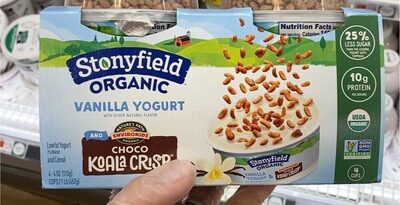 Stonyfield Farm Inc
Toppers - Vanilla Lowfat Koala Crisps Cereal Yogurt , Vanilla
124kcal
8.8Protein
2.2Fat
17.7Carbs
Stonyfield Farm Inc
Toppers - Vanilla Lowfat Koala Crisps Cereal Yogurt , Vanilla
124kcal
8.8Protein
2.2Fat
17.7Carbs
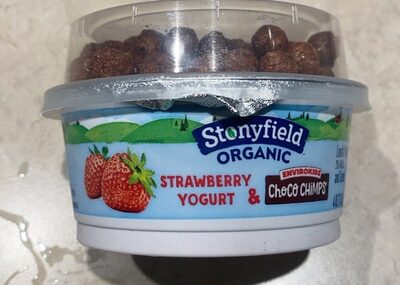 Stonyfield Farm Inc
Strawberry Yogurt And Choco Chimps Organic Lowfat Yogurt And Cereal, Strawberry Yogurt And Choco Chimps
115kcal
8.8Protein
1.8Fat
15.0Carbs
Stonyfield Farm Inc
Chocolate Underground Organic Nonfat Yogurt, Chocolate Underground
High in added sugars — 26% DV per serving
73kcal
4Protein
0Fat
14.7Carbs
Stonyfield Farm Inc
Strawberry Yogurt And Choco Chimps Organic Lowfat Yogurt And Cereal, Strawberry Yogurt And Choco Chimps
115kcal
8.8Protein
1.8Fat
15.0Carbs
Stonyfield Farm Inc
Chocolate Underground Organic Nonfat Yogurt, Chocolate Underground
High in added sugars — 26% DV per serving
73kcal
4Protein
0Fat
14.7Carbs
Auto-generated content. This description was generated automatically and is pending editorial review. Inaccuracies are possible. Found a mistake? Contact us.