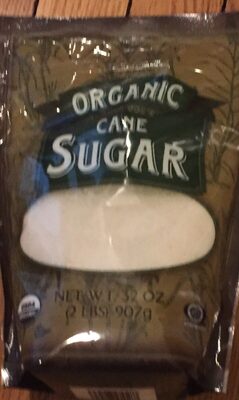
Organic Cane Sugar
What is Organic Cane Sugar?
Organic cane sugar is a sweetener derived from sugarcane plants. It is produced by crushing sugarcane stalks to extract the juice, which is then evaporated and crystallized. The "organic" designation means it is grown without synthetic pesticides or fertilizers, and its processing typically avoids the use of bone char.
Is Organic Cane Sugar vegan?
Organic Cane Sugar is not animal-derived. Products that contain it can still include other animal-derived ingredients, so check the full ingredient list.
Is Organic Cane Sugar a major allergen?
Not a major allergen.
What is Organic Cane Sugar used for?
Organic cane sugar is primarily used to provide sweetness and enhance the flavor of food products.
Is Organic Cane Sugar safe?
Sugars, including organic cane sugar, are generally recognized as safe (GRAS) by the FDA.
Why it's used
Organic cane sugar is primarily used to provide sweetness and enhance the flavor of food products. It is a common ingredient in a wide variety of packaged foods, including baked goods like biscuits, cookies, and cakes, as well as in snacks and beverages. It also contributes to texture and browning in many recipes.
Health notes
Sugars, including organic cane sugar, are generally recognized as safe (GRAS) by the FDA. The 2025-2030 Dietary Guidelines for Americans recommend consuming no amount of added sugars, and at most 10 grams per meal. While sugars provide energy, excessive intake of added sugars can contribute to consuming more calories than needed without providing essential nutrients. JECFA has not set an acceptable daily intake for sugars, as they are macronutrients.
Allergen info
Not a major allergen.
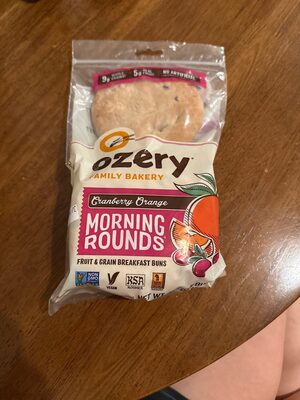
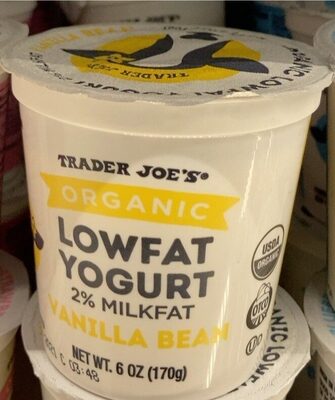
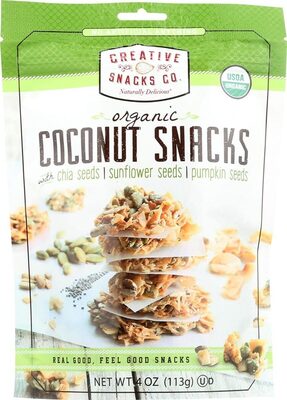
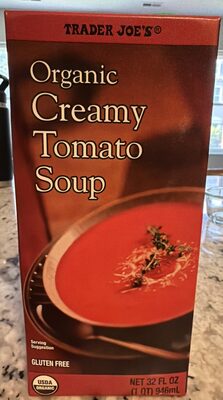
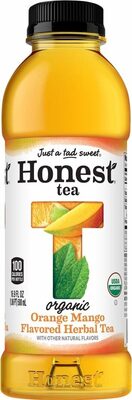
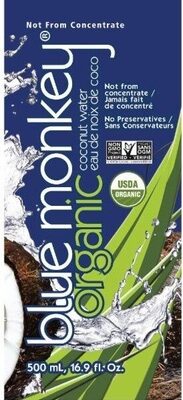
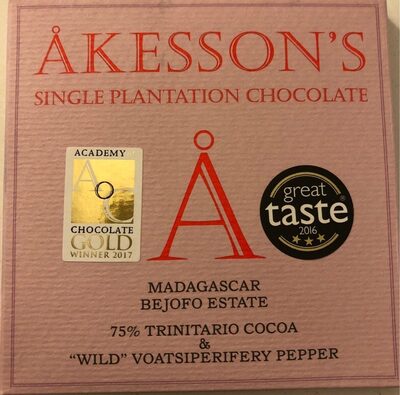
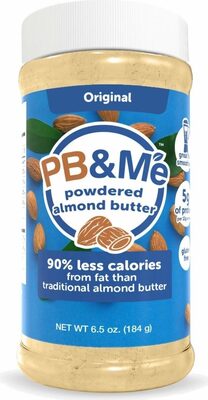
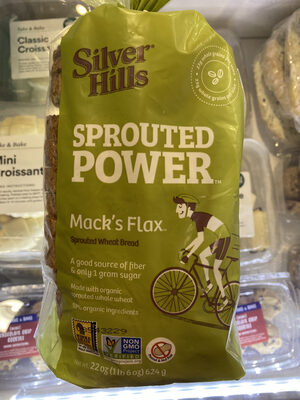
Foods that contain Organic Cane Sugar
Compare products →









Learn more
Auto-generated content. This description was generated automatically and is pending editorial review. Inaccuracies are possible. Found a mistake? Contact us.