Almondmilk
What is Almondmilk?
Almondmilk is a plant-based beverage made from ground almonds and water. It is produced by soaking almonds, blending them with water, and then straining out the solids to create a milky liquid. It is often fortified with vitamins and minerals.
Is Almondmilk vegan?
Almondmilk is not animal-derived. Products that contain it can still include other animal-derived ingredients, so check the full ingredient list.
Is Almondmilk a major allergen?
Almondmilk is derived from almonds, which are classified as a tree nut.
What is Almondmilk used for?
Almondmilk is used as a dairy-free alternative to cow's milk in beverages, cereals, and baked goods.
Is Almondmilk safe?
Almondmilk is generally recognized as safe (GRAS) by the FDA when used as intended.
Why it's used
Almondmilk is used as a dairy-free alternative to cow's milk in beverages, cereals, and baked goods. Manufacturers may add it for its mild flavor, creamy texture, and nutritional profile. It is commonly found in coffee drinks, smoothies, and plant-based milk alternatives.
Health notes
Almondmilk is generally recognized as safe (GRAS) by the FDA when used as intended. It is a source of vitamin E and often fortified with calcium and vitamin D. Regulatory bodies like JECFA and EFSA have evaluated various food ingredients, but specific evaluations for almondmilk as a standalone ingredient are not typically listed in the same way as additives. Evidence suggests it is a suitable option for those avoiding dairy.
Allergen info
Almondmilk is derived from almonds, which are classified as a tree nut. Tree nuts are one of the 9 major allergens recognized by the FDA.
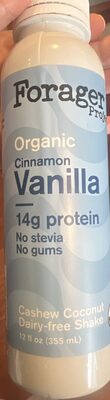
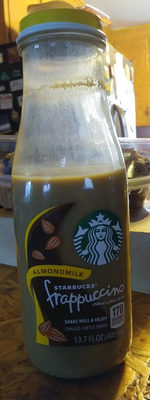
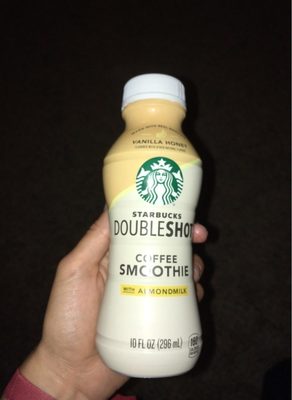
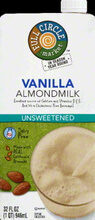
Foods that contain Almondmilk
Compare products →
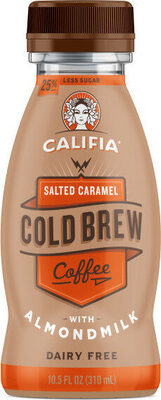
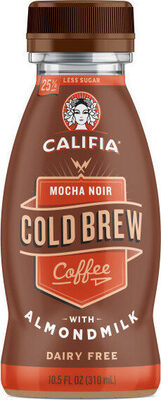
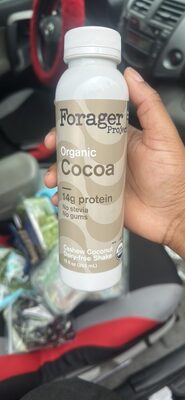
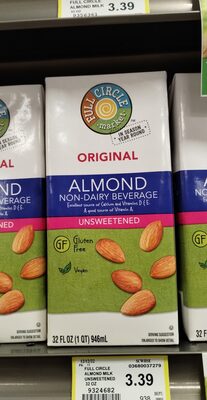
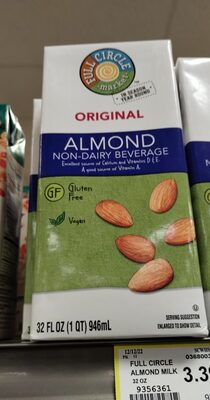
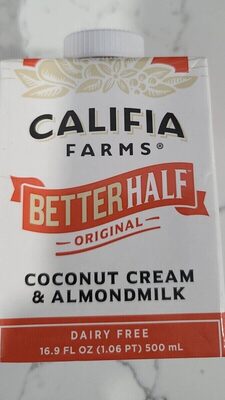
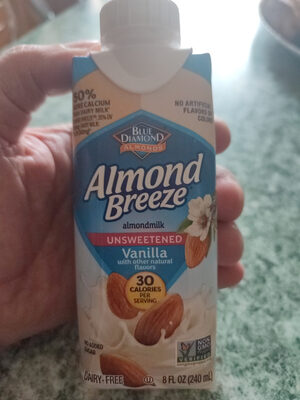
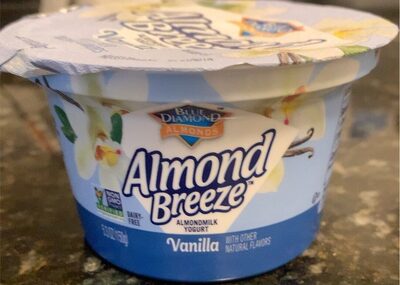
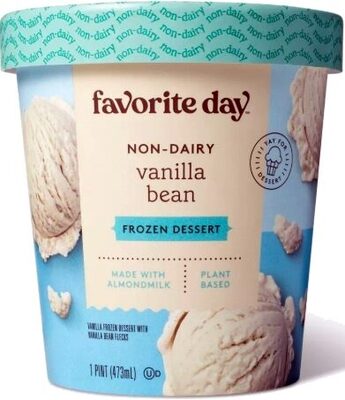
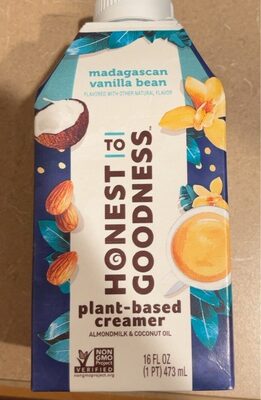
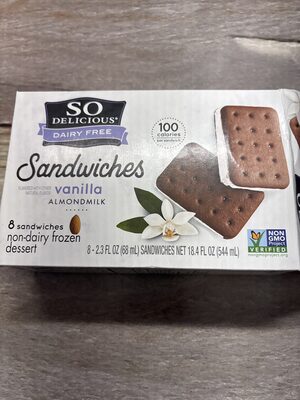
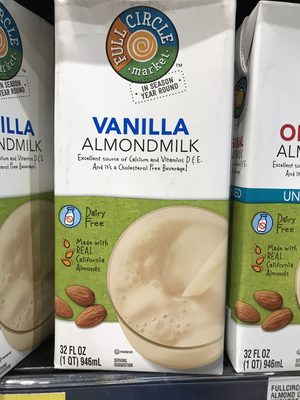
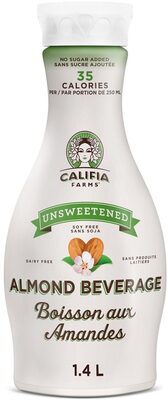
Auto-generated content. This description was generated automatically and is pending editorial review. Inaccuracies are possible. Found a mistake? Contact us.