Vitamin D2
Auto-generated content. This description was generated automatically and is pending editorial review. Inaccuracies are possible. Found a mistake? Contact us.
What it is
Vitamin D2, also known as ergocalciferol, is a form of vitamin D that is not naturally produced by the human body. It is typically derived from yeast or fungi exposed to ultraviolet (UV) light, which converts a precursor molecule into vitamin D2. It is then purified and often fortified into foods.
Why it's used
Vitamin D2 is added to foods to increase their vitamin D content, helping consumers meet their daily needs. It functions as a nutrient fortification. It is commonly found in plant-based milk alternatives, cereals, and some juices.
Health notes
The U.S. Food and Drug Administration (FDA) lists vitamin D2 as Generally Recognized As Safe (GRAS) when used as a nutrient supplement. The National Academies of Sciences, Engineering, and Medicine have established upper intake levels for vitamin D. Both the Joint FAO/WHO Expert Committee on Food Additives (JECFA) and the European Food Safety Authority (EFSA) have evaluated vitamin D2. Typical intakes from fortified foods are not associated with adverse effects.
Allergen info
Vitamin D2 is not derived from any of the nine FDA major allergens. It does not contain gluten.
Products containing Vitamin D2
Compare products →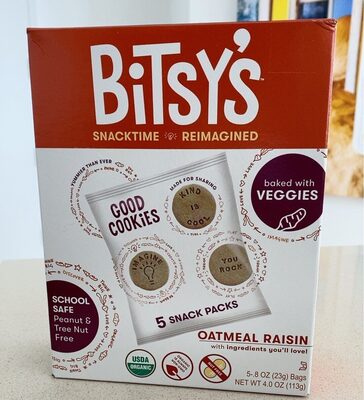 BITSY'S
Good Cookies, Sweet Potato, Oatmeal, Raisin
391kcal
8.7Protein
15.2Fat
65.2Carbs
BITSY'S
Smart Crackers, Garden Ranch
357kcal
7.1Protein
8.9Fat
67.9Carbs
BITSY'S
Good Cookies, Sweet Potato, Oatmeal, Raisin
391kcal
8.7Protein
15.2Fat
65.2Carbs
BITSY'S
Smart Crackers, Garden Ranch
357kcal
7.1Protein
8.9Fat
67.9Carbs
 BITSY'S
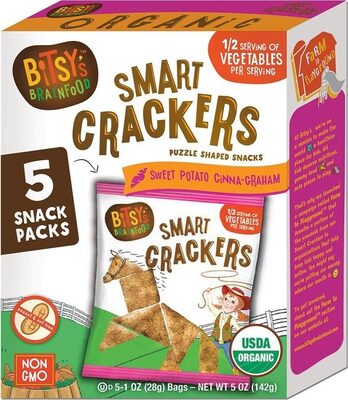
Smart Crackers
393kcal
7.1Protein
7.1Fat
71.4Carbs
BITSY'S
Smart Crackers
393kcal
7.1Protein
7.1Fat
71.4Carbs