An Antifoaming Agent Added
Auto-generated content. This description was generated automatically and is pending editorial review. Inaccuracies are possible. Found a mistake? Contact us.
What it is
Antifoaming agents are substances added to food to prevent or reduce foaming during processing. They are typically made from a base of oil or fat, such as vegetable oil or animal fat, combined with other ingredients like silicon dioxide or emulsifiers. These agents work by lowering the surface tension of liquids, which prevents bubbles from forming or causes them to break quickly.
Why it's used
Manufacturers add antifoaming agents to foods where foaming can be a problem during cooking or processing, such as in frying oils, baked goods, and processed foods. They help ensure consistent product texture and appearance, and prevent overflow during manufacturing. They are commonly found in vegetable and cooking oils, prepared sandwiches, and baked items like biscuits.
Health notes
In the US, antifoaming agents are generally recognized as safe (GRAS) by the FDA when used according to good manufacturing practices. Regulatory bodies like the Joint FAO/WHO Expert Committee on Food Additives (JECFA) have evaluated many antifoaming agents, often establishing acceptable daily intakes. Evidence generally shows these substances are not absorbed by the body and pass through undigested at typical consumption levels.
Allergen info
Antifoaming agents are not derived from any of the nine FDA major allergens. They do not contain gluten.
Products containing An Antifoaming Agent Added
Compare products →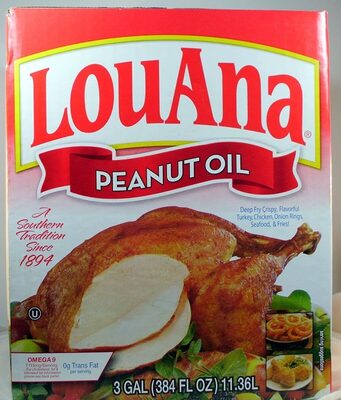 Ventura Foods, L.L.C.
Peanut Oil
857kcal
0Protein
100Fat
0Carbs
Deflect-O Corporation
Chicken Parmesan Sandwich, Chicken Parmesan
High in sodium — 67% DV per serving
High in saturated fat — 50% DV per serving
High in cholesterol — 22% DV per serving
263kcal
14.8Protein
12.8Fat
21.4Carbs
Deflect-O Corporation
Classic Southern Chicken Sandwich, Classic Southern Chicken
High in sodium — 46% DV per serving
279kcal
—Protein
12.8Fat
27.4Carbs
Deflect-O Corporation
Jumbo Bacon & Sausage Breakfast Burrito, Jumbo Bacon & Sausage
High in sodium — 80% DV per serving
High in saturated fat — 90% DV per serving
High in cholesterol — 73% DV per serving
262kcal
12.0Protein
15.5Fat
18.6Carbs
Ventura Foods, L.L.C.
Peanut Oil
857kcal
0Protein
100Fat
0Carbs
Deflect-O Corporation
Chicken Parmesan Sandwich, Chicken Parmesan
High in sodium — 67% DV per serving
High in saturated fat — 50% DV per serving
High in cholesterol — 22% DV per serving
263kcal
14.8Protein
12.8Fat
21.4Carbs
Deflect-O Corporation
Classic Southern Chicken Sandwich, Classic Southern Chicken
High in sodium — 46% DV per serving
279kcal
—Protein
12.8Fat
27.4Carbs
Deflect-O Corporation
Jumbo Bacon & Sausage Breakfast Burrito, Jumbo Bacon & Sausage
High in sodium — 80% DV per serving
High in saturated fat — 90% DV per serving
High in cholesterol — 73% DV per serving
262kcal
12.0Protein
15.5Fat
18.6Carbs
 Deflect-O Corporation
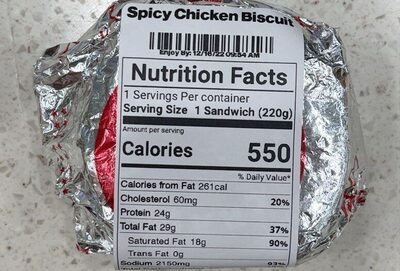
Spicy Chicken Biscuit, Spicy Chicken
High in sodium — 93% DV per serving
High in saturated fat — 90% DV per serving
High in cholesterol — 20% DV per serving
250kcal
—Protein
13.2Fat
22.7Carbs
Deflect-O Corporation
Spicy Chicken Biscuit, Spicy Chicken
High in sodium — 93% DV per serving
High in saturated fat — 90% DV per serving
High in cholesterol — 20% DV per serving
250kcal
—Protein
13.2Fat
22.7Carbs