Anchovy Puree
What is Anchovy Puree?
Anchovy puree is a paste made from small, oily fish called anchovies. The fish are typically salted and fermented before being pureed into a smooth paste. This process concentrates their savory, umami flavor.
Is Anchovy Puree vegan?
No. Anchovy Puree is animal-derived, so it is not vegan.
Is Anchovy Puree a major allergen?
Anchovy puree is derived from fish, which is one of the nine major allergens recognized by the FDA.
What is Anchovy Puree used for?
Anchovy puree is used to add a deep, savory, umami flavor to foods.
Is Anchovy Puree safe?
Anchovy puree is generally recognized as safe (GRAS) by the FDA when used as a food ingredient.
Why it's used
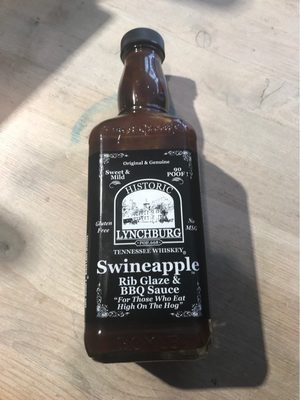
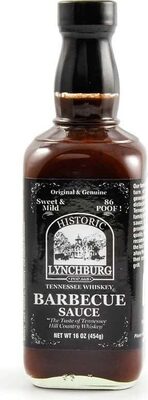
Anchovy puree is used to add a deep, savory, umami flavor to foods. It is often found in sauces like ketchup, mustard, and barbecue sauce, as well as in prepared meat dishes. Its intense flavor means it is used in small amounts to enhance the overall taste profile.
Health notes
Anchovy puree is generally recognized as safe (GRAS) by the FDA when used as a food ingredient. It is a source of protein and omega-3 fatty acids. The Joint FAO/WHO Expert Committee on Food Additives (JECFA) has evaluated anchovies and their derivatives. No specific health concerns are associated with the consumption of anchovy puree at typical dietary levels.
Allergen info
Anchovy puree is derived from fish, which is one of the nine major allergens recognized by the FDA. Individuals with fish allergies should avoid products containing anchovy puree.
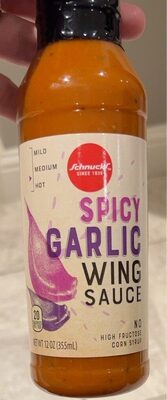
Foods that contain Anchovy Puree
Compare products →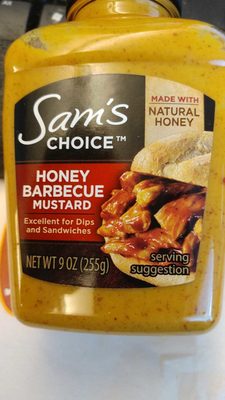
Learn more
Auto-generated content. This description was generated automatically and is pending editorial review. Inaccuracies are possible. Found a mistake? Contact us.