And Ascorbyl Palmitate Added
Auto-generated content. This description was generated automatically and is pending editorial review. Inaccuracies are possible. Found a mistake? Contact us.
What it is
Ascorbyl palmitate is a form of vitamin C (ascorbic acid) that is attached to palmitic acid, a fatty acid. It is made by combining vitamin C with palmitic acid, which is often derived from palm oil. This combination makes vitamin C more stable and allows it to dissolve in fats and oils.
Why it's used
Manufacturers add ascorbyl palmitate to foods as an antioxidant. It helps prevent fats and oils from becoming rancid, which can cause off-flavors and odors. It is often found in fatty foods like crackers, baked goods, and processed meats.
Health notes
In the US, ascorbyl palmitate is generally recognized as safe (GRAS) by the FDA when used as a food additive. It is a source of vitamin C, which is essential for many bodily functions. International bodies like JECFA and EFSA have evaluated it. Evidence does not suggest adverse health effects at typical dietary intake levels.
Allergen info
Ascorbyl palmitate is not derived from any of the 9 FDA major allergens. It does not contain gluten.
Products containing And Ascorbyl Palmitate Added
Compare products →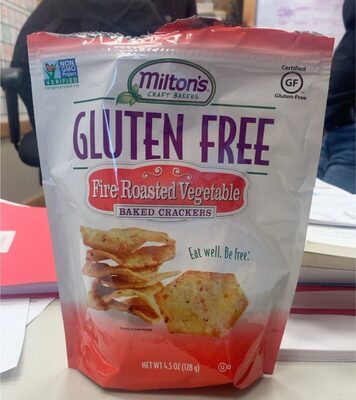 Milton's Baking Company LLC
Gluten Free Fire Roasted Vegetable Baked Crackers, Fire Roasted Vegetable
433kcal
6.7Protein
13.3Fat
73.3Carbs
Milton's Baking Company LLC
Gluten Free Fire Roasted Vegetable Baked Crackers, Fire Roasted Vegetable
433kcal
6.7Protein
13.3Fat
73.3Carbs
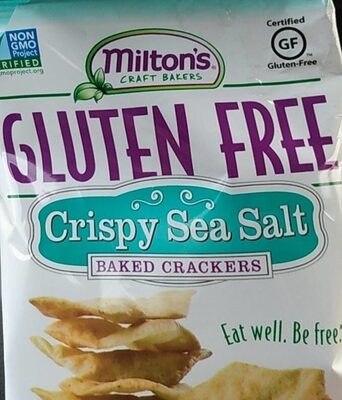 Milton's Baking Company LLC
Crispy Sea Salt Gluten Free Baked Crackers, Crispy Sea Salt
429kcal
7.1Protein
12.5Fat
75Carbs
Milton's Baking Company LLC
Crispy Sea Salt Gluten Free Baked Crackers, Crispy Sea Salt
429kcal
7.1Protein
12.5Fat
75Carbs
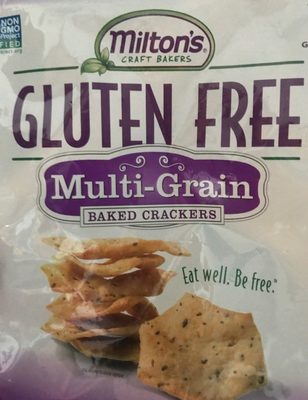 Milton's Baking Company LLC
Multi-Grain Gluten Free Baked Crackers, Multi-Grain
433kcal
6.7Protein
13.3Fat
73.3Carbs
Milton's Baking Company LLC
Multi-Grain Gluten Free Baked Crackers, Multi-Grain
433kcal
6.7Protein
13.3Fat
73.3Carbs
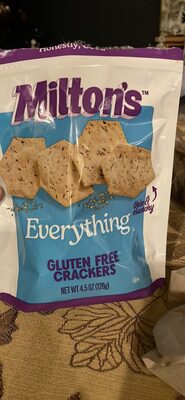 Milton's Baking Company LLC
Everything Baked Crackers, Everything
433kcal
10Protein
13.3Fat
73.3Carbs
Milton's Baking Company LLC
Everything Baked Crackers, Everything
433kcal
10Protein
13.3Fat
73.3Carbs
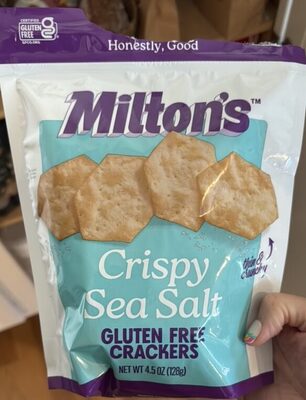 Milton's Baking Company LLC
Gluten Free Crispy Sea Salt Baked Crackers, Crispy Sea Salt
433kcal
6.7Protein
13.3Fat
73.3Carbs
Milton's Baking Company LLC
Gluten Free Crispy Sea Salt Baked Crackers, Crispy Sea Salt
433kcal
6.7Protein
13.3Fat
73.3Carbs